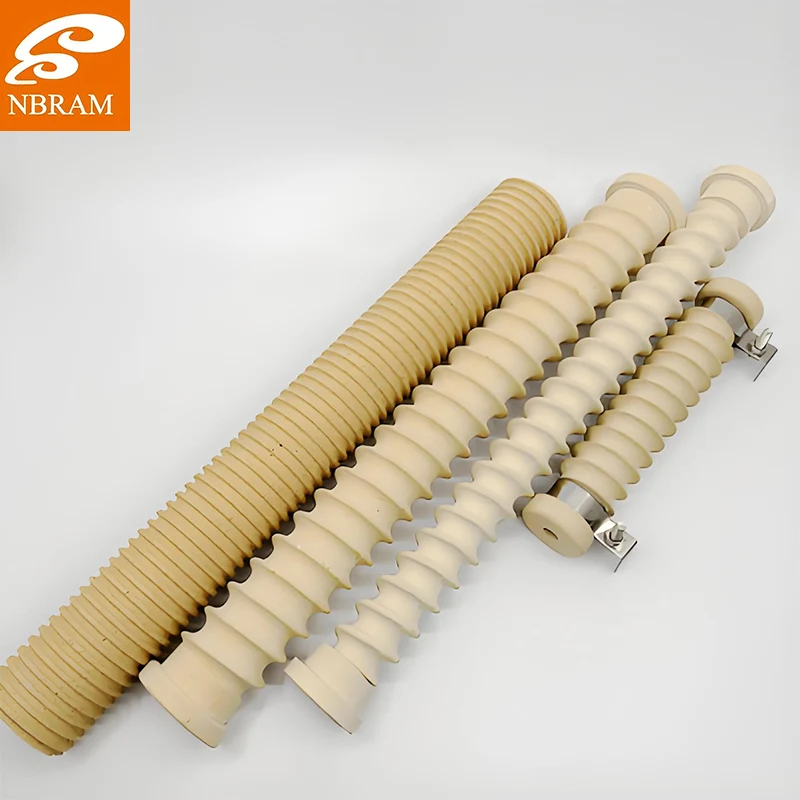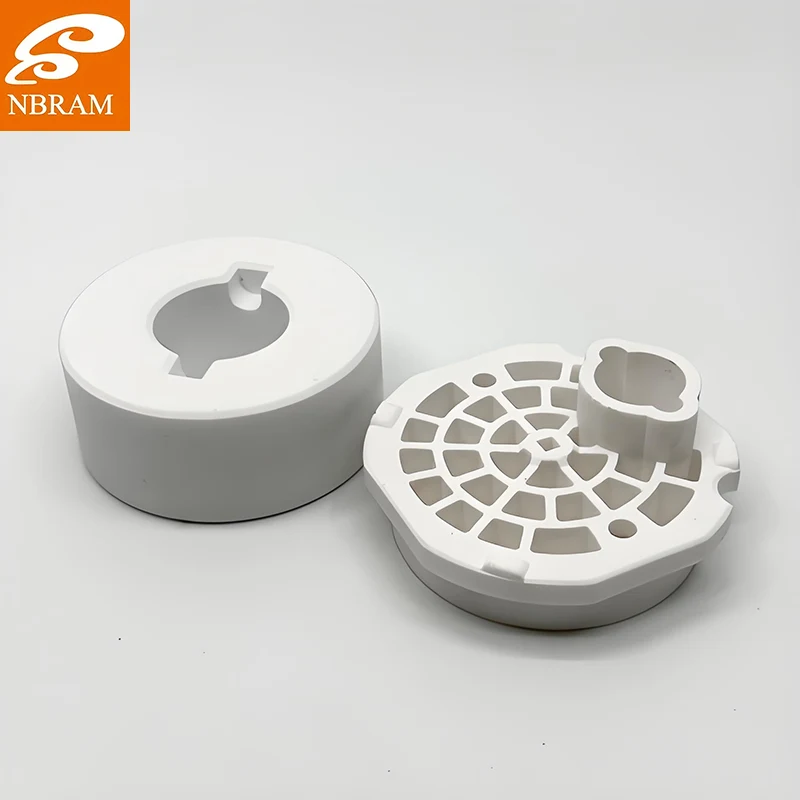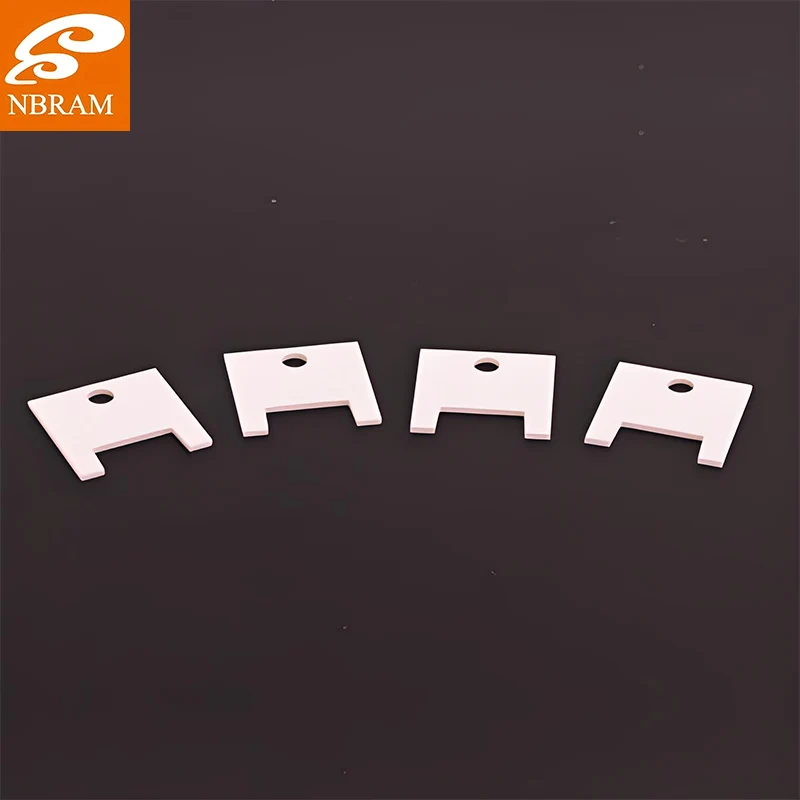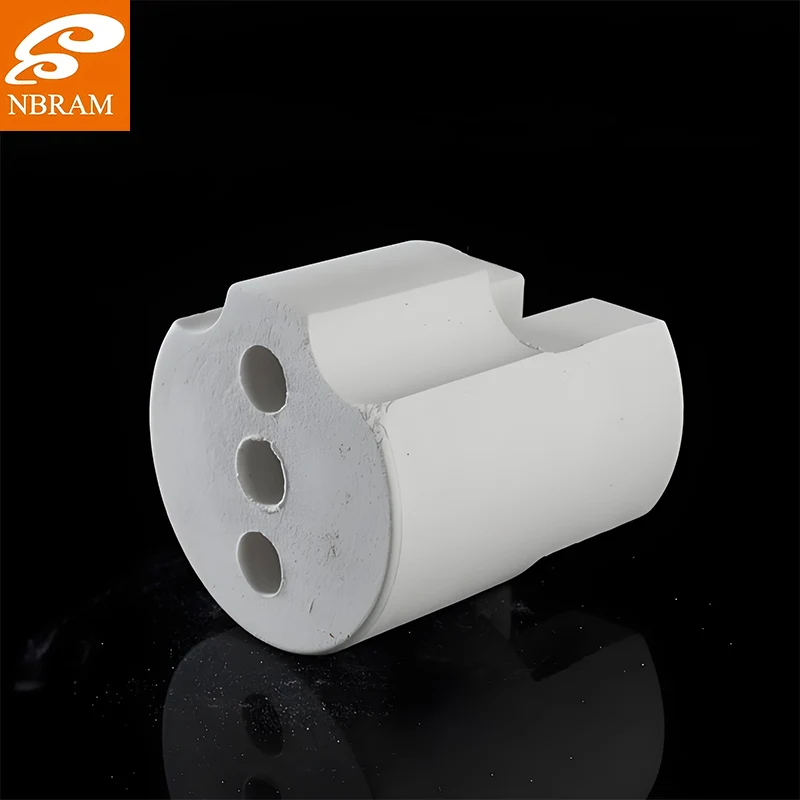
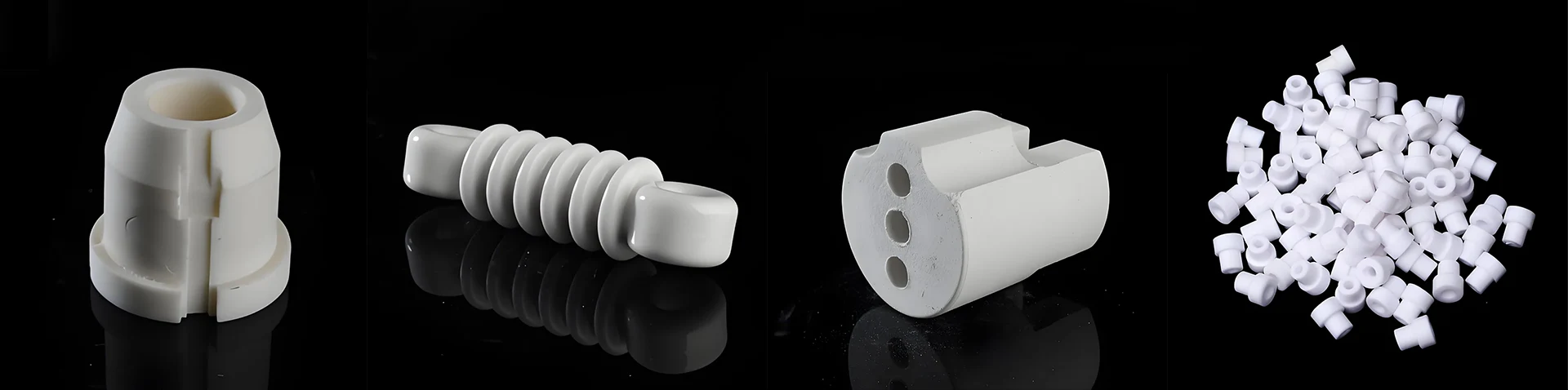
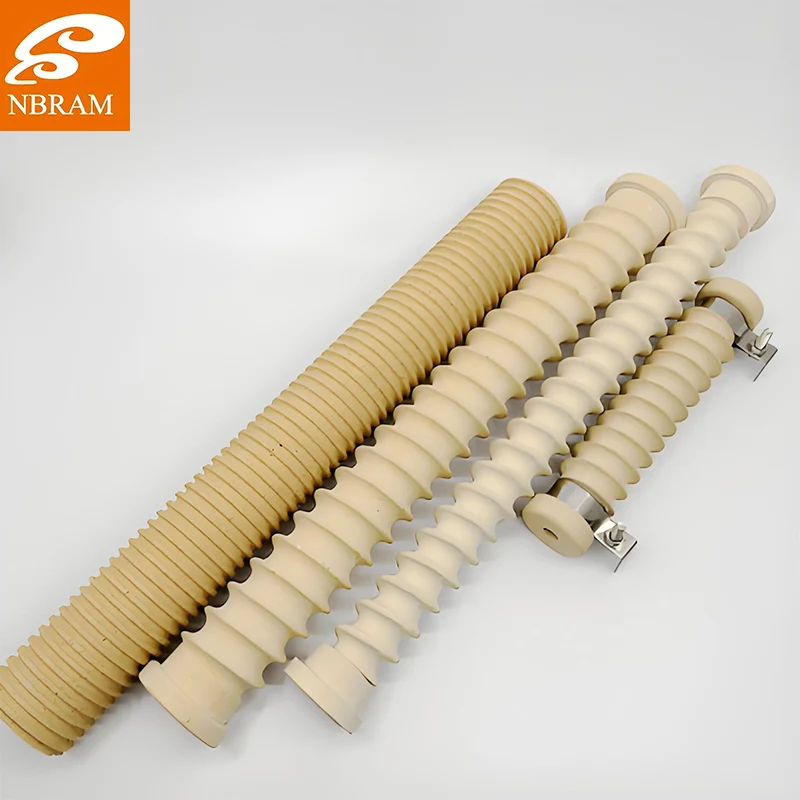
Having spent countless hours troubleshooting failed resistors in industrial control panels, I can personally vouch for the game-changing performance of NBRAM's Ceramic Resistor Ceramic Rod Cordierite Wire Wound Resistor. These aren't your average resistors - they're built on cordierite ceramic cores that handle thermal stress like champions while maintaining precise resistance values under the most demanding conditions. When you need to purchase reliable power resistors for motor controls, power supplies, or industrial heating applications, our cordierite-based design delivers the thermal stability and longevity that prevent unexpected downtime and costly replacements.
Solving resistor reliability issues in high-temperature environments has been my professional passion for over fifteen years. I worked with an industrial oven manufacturer that was experiencing resistor failures every three months - their maintenance costs were eating into profits until our ceramic resistor ceramic rod cordierite design provided the solution they needed. NBRAM's approach focuses on understanding the real-world electrical and thermal challenges our customers face, then engineering resistor solutions that deliver reliable performance where conventional components fail.
I'll never forget the steel mill that was replacing their power resistors monthly due to thermal cracking - until they switched to our cordierite design. The secret lies in cordierite's near-zero thermal expansion coefficient, which prevents the stress fractures that plague standard ceramic resistors during rapid temperature cycles. These Ceramic resistor ceramic rod cordierite wire wound resistor shine in applications where temperature stability is non-negotiable, like in variable frequency drives where consistent resistance values ensure smooth motor control regardless of operating temperature.
From power supply bleeder circuits to industrial heating elements, our wire wound resistors handle up to 300°C continuous operation without resistance drift. The enamel-coated resistance wire provides excellent electrical isolation while the cordierite core dissipates heat efficiently, preventing hot spots that can lead to premature failure. One client in the renewable energy sector reported 85% reduction in resistor failures after adopting our cordierite design in their solar inverter systems.
Let me give you the numbers that matter on the production floor. Our Ceramic resistor ceramic rod cordierite wire wound resistor are available in resistance values from 0.1Ω to 100kΩ with power ratings from 5W to 500W depending on size and configuration. Temperature coefficient of resistance is typically ±50 ppm/°C, ensuring stable performance across the operating temperature range of -55°C to +300°C. The breakdown voltage exceeds 2.5kV for most models, providing ample safety margin for high voltage applications.
Insulation resistance measures greater than 10^10 Ω at 500V DC, while the thermal shock resistance allows temperature changes of 200°C/minute without performance degradation. The resistance tolerance options include ±1%, ±2%, and ±5% to meet various precision requirements. One automotive client achieved 99.97% production yield after implementing our ±1% tolerance resistors in their electronic control units.
The manufacturing process for these resistors is where the real magic happens. We start with high-purity cordierite ceramic formulations that undergo precise sintering to achieve the desired thermal and electrical properties. The wire winding process uses computer-controlled machinery that maintains tension consistency within ±2% - a specification I insisted on after seeing how tension variations affect resistance stability under thermal stress.
Each resistor undergoes 100% electrical testing at elevated temperatures to ensure performance consistency, and we perform destructive testing on random samples to verify the bond strength between the resistance wire and ceramic core. The final coating process uses high-temperature epoxy that provides both mechanical protection and additional electrical isolation. One power supply manufacturer told me our resistors maintained their specified resistance values even after 10,000 hours of continuous operation at full rated power.