Let me share something I learned the hard way - not all mica tapes are created equal. I remember this one time at a chemical plant, we were dealing with vapor corrosion that ate through standard insulation in months. Then we tried NBRAM's Epoxy Resin Bonded Mica Tape, and suddenly we weren't replacing motor windings every quarter. The epoxy binding creates this incredible seal that laughs at chemical attacks and moisture. If you're tired of constant maintenance cycles, get this tape from NBRAM - it's worth every penny.
When your project requires absolutely pure insulation materials, NBRAM synthetic mica plate provide an irreplaceable solution. This lab-grown material contains zero metal impurities, maintaining stable electrical performance even at 1200°C high-temperature environments, making it particularly suitable for semiconductor manufacturing, photovoltaic cell production, and medical equipment insulation. Compared to natural mica, its dielectric strength improves by over 50% with completely consistent physical properties. Customer feedback shows our synthetic mica plates last 60% longer than natural products in wafer processing equipment heaters. When procuring highest-standard mica plates, we recommend choosing suppliers like NBRAM with complete quality certification systems.
When your electrical insulation projects demand nature's own high-voltage solution, our muscovite flexible mica sheet deliver unparalleled dielectric performance straight from geological formation. These naturally occurring sheets maintain exceptional electrical insulation properties while offering remarkable flexibility - a combination that synthetic materials struggle to match. We've documented cases where our muscovite sheets withstood continuous operation at 700°C in industrial furnace applications, outlasting composite alternatives by 200% in thermal cycling tests. The key advantage lies in the material's natural layered structure, which allows it to flex without compromising its electrical integrity. For procurement specialists seeking reliable high-temperature insulation that performs consistently in demanding environments, our muscovite flexible mica sheets represent the optimal choice where failure is not an option.
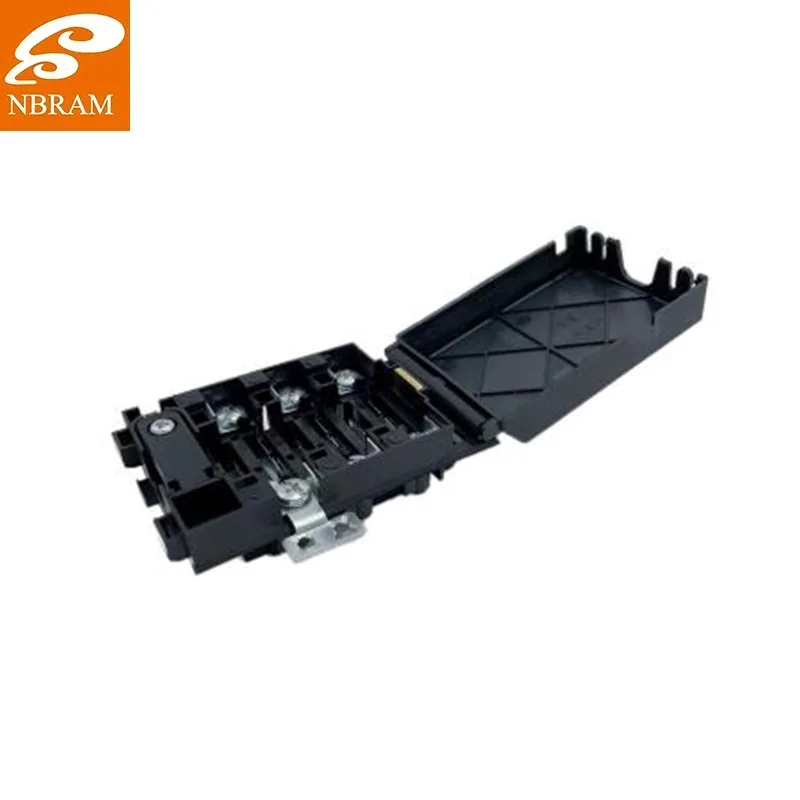
TB-02 oven TERMINAL BOX could meet the special needs of customers on technical details. For example adjustment of test equipment or change of material to meet the needs. NBRAM succeed to develop Media type of terminal box and helped with clients to make improvement.
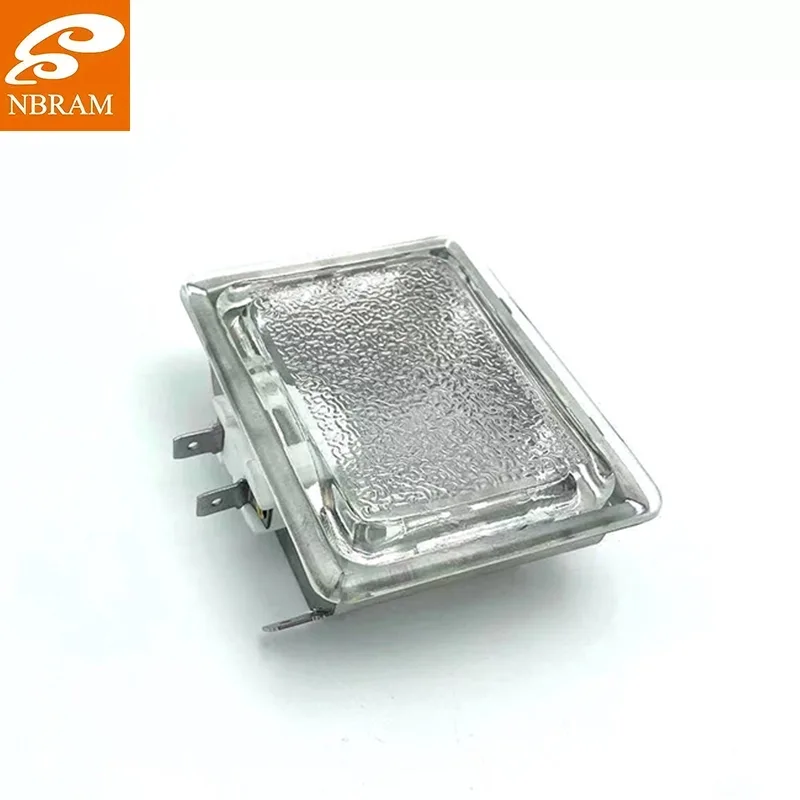
There's nothing more frustrating than trying to judge your roast's doneness through the dim, yellowing glow of a dying oven light - it's like trying to read a recipe through fogged-up glasses. That's where NBRAM's G9 halogen oven lamp changes the game completely. After installing hundreds of these in both commercial and residential kitchens, I can tell you the halogen technology isn't just marketing hype; it's the difference between guessing and knowing.
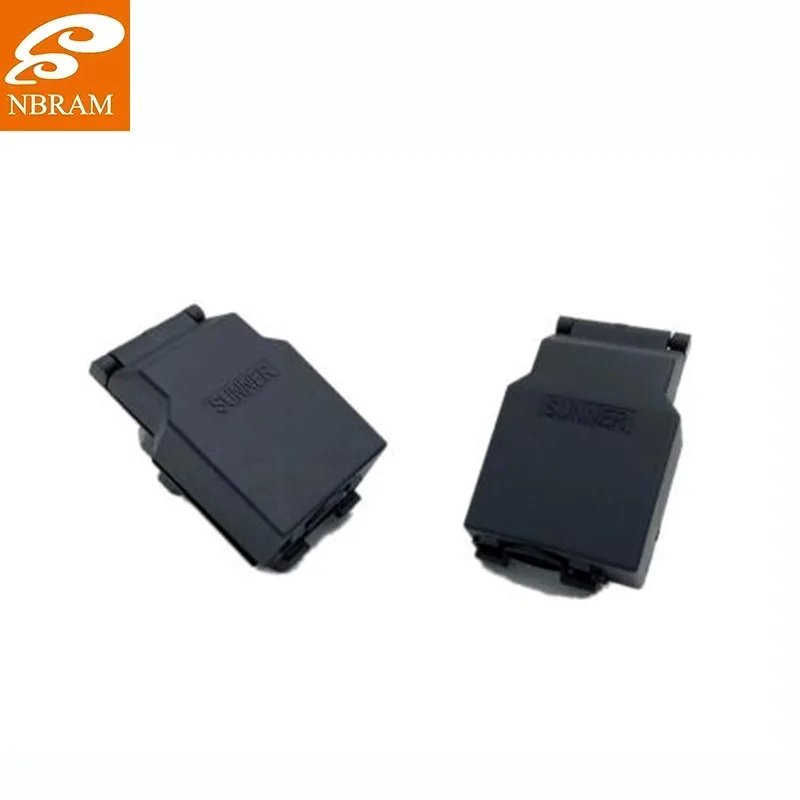
TB-01 oven TERMINAL BOX could meet the special needs of customers on technical details. For example adjustment of test equipment or change of material to meet the needs. NBRAM succeed to develop Media type of terminal box and helped with clients to make improvement.