 Glass-Backed Mica Tape with Less Resin:A Lighter, Tougher Solution for High-Temperature Insulation?
In the demanding world of high-temperature electrical insulation, a persistent challenge has been balancing robust protection with material flexibility and thermal efficiency. A significant innovation is gaining traction for addressing this very balance: glass-backed mica tape with less resin. This refined material is redefining expectations for insulation in motors, generators, and critical power equipment.
The Evolution of Insulation Taping
Traditional mica tapes have long been the go-to solution for insulating conductors in high-heat environments. Historically, these tapes relied on substantial resin content to bind mica splittings to a backing material, ensuring cohesion and handleability. However, higher resin levels can introduce drawbacks, including reduced flexibility, longer curing times, and the potential for increased thermal expansion. The development of glass-backed mica tape with less resin represents a targeted evolution, focusing on enhancing the innate superior properties of mica itself.
Core Advantages of Reduced Resin Content
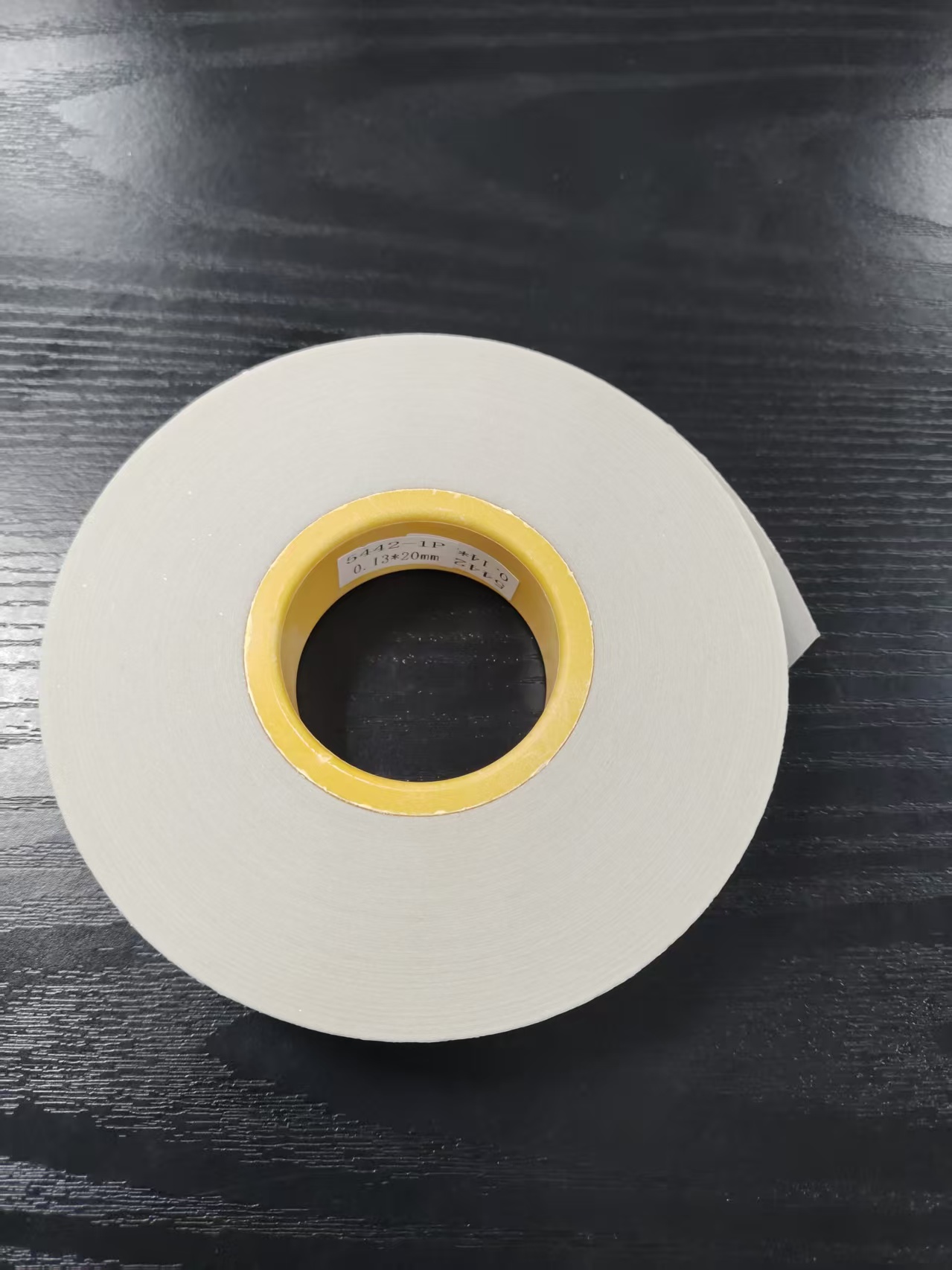
Why is the industry moving toward glass-backed mica tape with less resin? The benefits are multifaceted. Primarily, a lower resin content significantly improves the tape's flexibility and conformability. This allows it to be applied more easily on complex shapes and tight bends within motor coils or bar windings, creating a void-free insulation layer that is critical for long-term reliability. Furthermore, with less organic resin to degrade under extreme thermal cycling, this tape demonstrates exceptional thermal stability and can often withstand higher continuous operating temperatures. The result is a lighter, tougher insulation system that contributes to improved efficiency and extended service life for electrical machinery. The <mark style="color: #2E86C1;">glass-backed mica tape with less resin</mark> thus offers a more optimized performance profile.
Manufacturing Precision and Material Synergy
Producing a reliable glass-backed mica tape with less resin requires advanced manufacturing precision. The process involves uniformly bonding high-purity mica paper to a woven fiberglass backing using a minimized amount of high-temperature, compatible resin—often an epoxy or silicone-based system. The fiberglass backing provides essential mechanical strength and tear resistance during the winding and forming processes, while the reduced resin content allows the excellent dielectric and thermal properties of the mica to dominate the tape's performance. This synergy between high-strength glass and premium mica, bound minimally, is what sets this product apart.
Driving Efficiency in Diverse Applications
The application scope for this advanced tape is broad and impactful. It is increasingly specified in the manufacturing and repair of high-voltage motors, turbine generators, and traction drives for railways and electric vehicles, where space and weight savings are crucial. Its excellent resistance to partial discharge also makes it ideal for inverter-fed motors. By enabling more compact, efficient, and reliable electrical designs, glass-backed mica tape with less resin is directly supporting trends in electrification and energy efficiency across global industries.
The Future of Insulation Materials
As electrical equipment pushes toward higher power densities and more stringent efficiency standards, material innovations like glass-backed mica tape with less resin will become even more central. The focus on maximizing the performance of inorganic, heat-resistant materials while minimizing organic binders points the way forward for next-generation insulation. This shift is not merely a minor specification change; it is a strategic enhancement that aligns with the broader goals of durability, sustainability, and peak performance in electrical engineering.