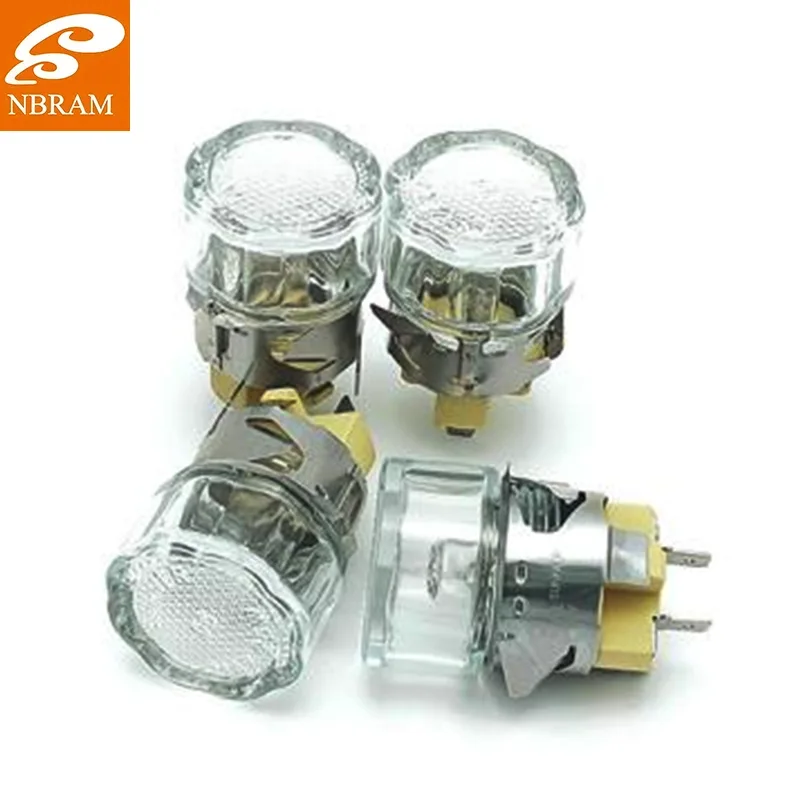
You know that sinking feeling when you're hosting a dinner party and peek through the oven window only to find darkness where your perfectly risen soufflé should be? That's when NBRAM's G9 snap-in fixing oven lamp becomes your kitchen hero. Having spent more time inside ovens than most professional chefs, I can attest that this isn't just another bulb - it's the engineered solution for the specific challenges of oven lighting. With its secure G9 snap-in connection designed to withstand constant thermal expansion and contraction, this oven lamp delivers reliable illumination where ordinary bulbs fail within months. If you're ready to purchase a G9 snap-in fixing oven lamp that actually survives the brutal environment it's designed for, NBRAM's specialized construction ensures your oven stays properly lit through years of baking, roasting, and broiling.
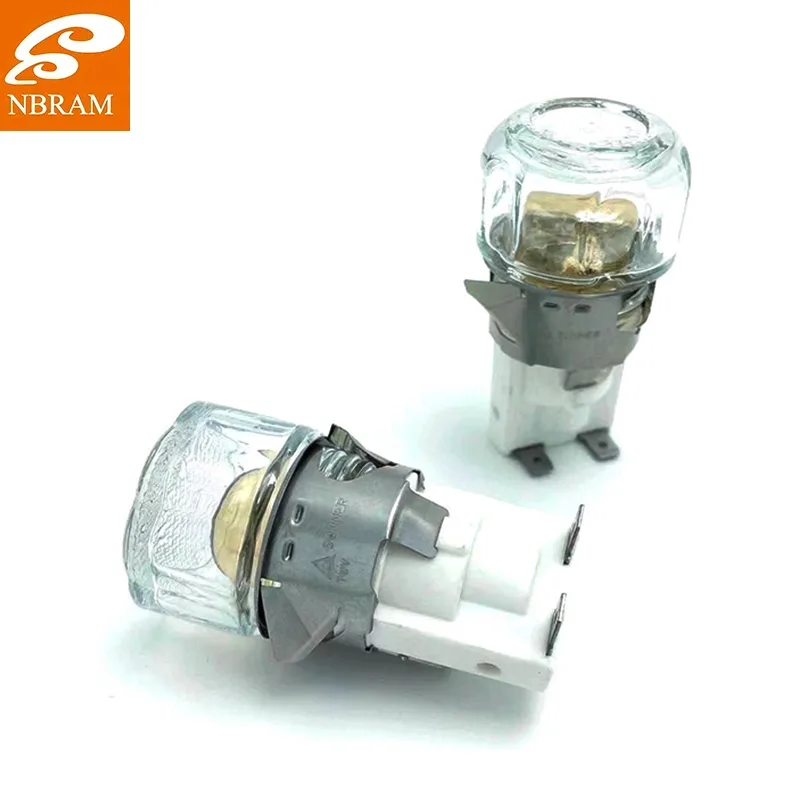
When you're elbow-deep in a roast chicken and the oven light suddenly goes dark, that's when you appreciate the reliability of NBRAM's E14 snap-in fixing oven lamp. Having replaced countless failed oven lights over my 15 years in appliance maintenance, I can tell you this isn't just another bulb - it's the solution to the most common oven lighting failure. With its secure snap-in mechanism and E14 base designed specifically for high-temperature environments, this oven lamp delivers consistent, bright illumination where others fail. If you're ready to purchase an E14 snap-in fixing oven lamp that won't leave you guessing about your food's progress, NBRAM's thermal-resistant construction ensures your oven stays properly lit through countless baking cycles.
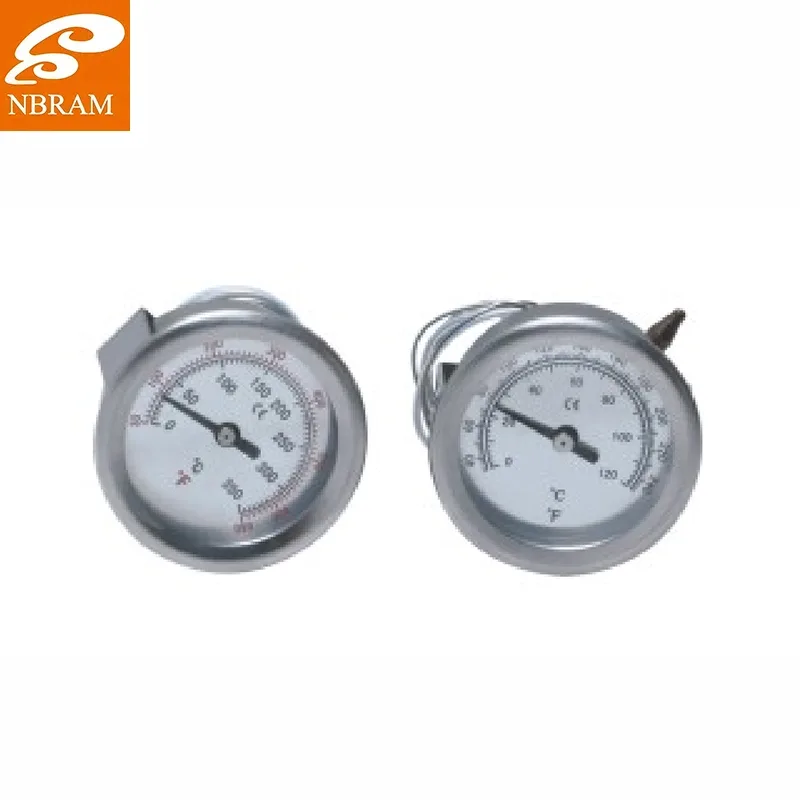
When you're staring at a control panel with more wires than space and realize there's literally no room for a standard temperature gauge, that's when NBRAM's AGT58 thermometer becomes your saving grace. I've personally wrestled with installation nightmares in pharmaceutical clean rooms where every millimeter mattered, and this ultra-compact unit changed everything. With its incredibly slim Φ52×25mm body covering the essential 0-350℃ range, it delivers industrial-grade precision where other instruments simply won't fit. If you're ready to purchase an AGT58 thermometer that solves impossible space constraints without sacrificing accuracy, NBRAM's mechanical reliability ensures your compact equipment stays perfectly monitored.
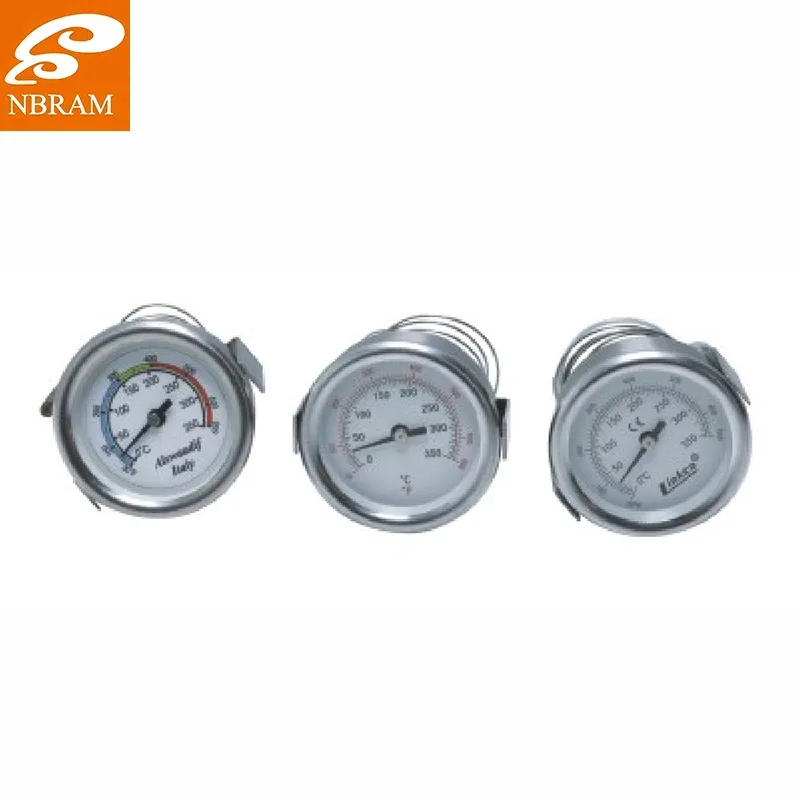
When you're trying to squeeze a reliable temperature monitor into a space where even a wrench won't fit comfortably, that's when you appreciate what NBRAM's AGT65 thermometer brings to the table. Having wrestled with oversized gauges in food processing plants for years, I can tell you this compact workhorse changes the game entirely. With its slim Φ60×25mm body covering 0-350℃, it delivers precision where larger instruments simply can't go. If you're ready to purchase an AGT65 thermometer that solves space constraints without compromising accuracy, NBRAM's mechanical reliability ensures your mid-temperature processes stay perfectly monitored.
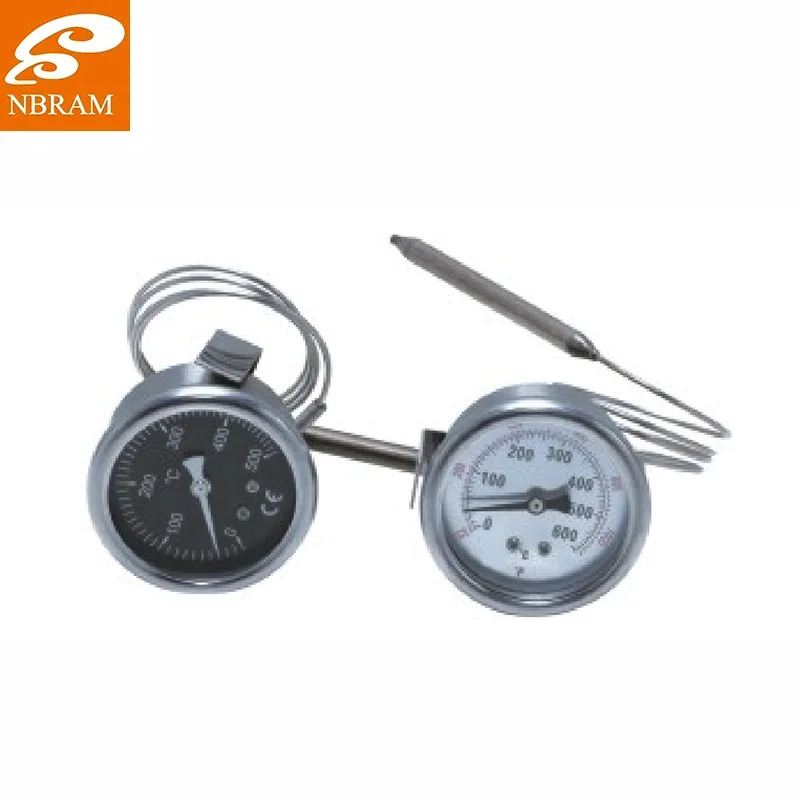
When your industrial processes are running at 600°C and a temperature reading failure could mean thousands in lost production, you need instrumentation that won't flinch. I've spent twenty years watching cheap thermometers fail in steam plants, but NBRAM's AGB68 thermometer is built differently - it's the industrial workhorse that just keeps working. With its all-metal capillary design measuring 0-600°C range, this unit delivers reliable remote monitoring where electronic sensors would cook themselves. If you're ready to purchase an AGB68 thermometer that eliminates temperature guesswork in harsh environments, NBRAM's proven durability makes it the only logical choice for professionals who value uptime over excuses.
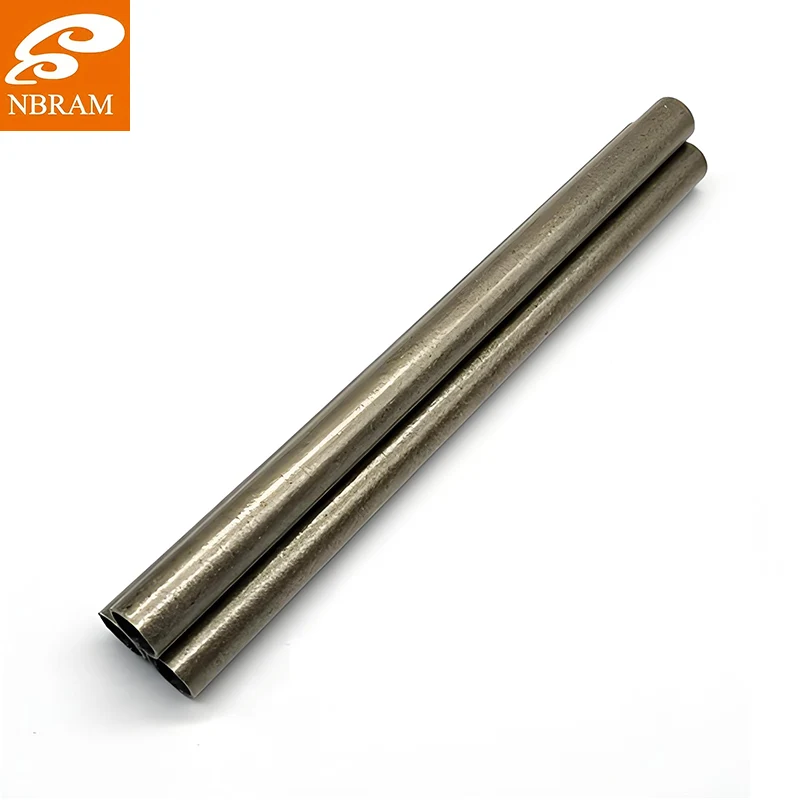
I remember this aerospace project where the engineers were pulling their hair out because conventional ceramic tubes kept cracking during thermal cycling tests. The temperature swings from -65°C to 1200°C in minutes were destroying everything they tried. When we introduced NBRAM's High-temperature resistant mica tube, the lead engineer actually called me two months later to say they'd completed 5,000 cycles without a single failure. That's the beauty of mica - it expands and contracts at nearly the same rate as most metals, eliminating the stress cracks that plague other insulation materials. If you're dealing with extreme thermal environments that are killing your insulation systems, it's time to source it that actually survives real-world conditions.