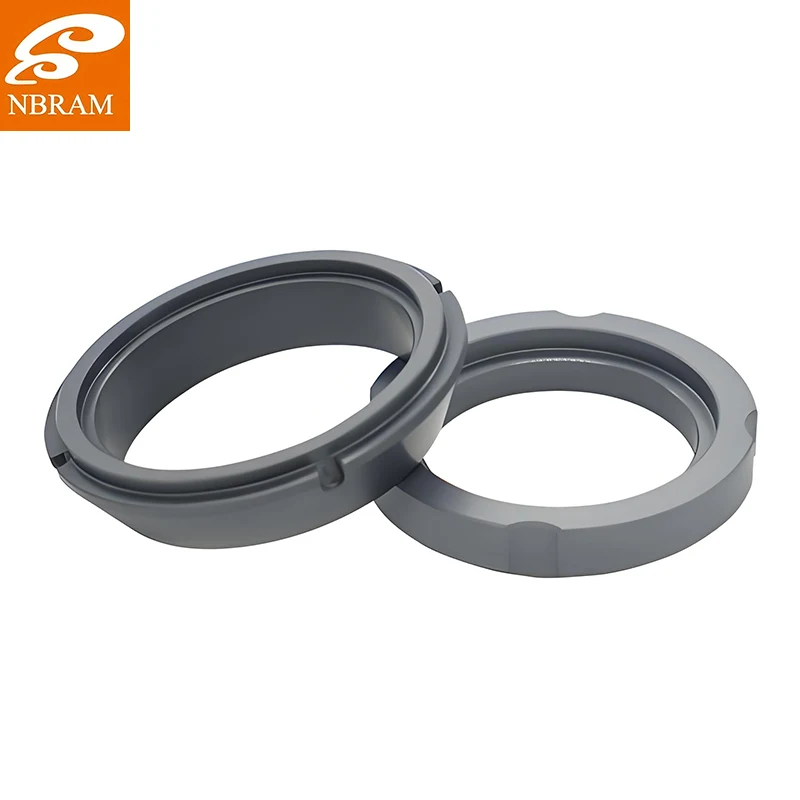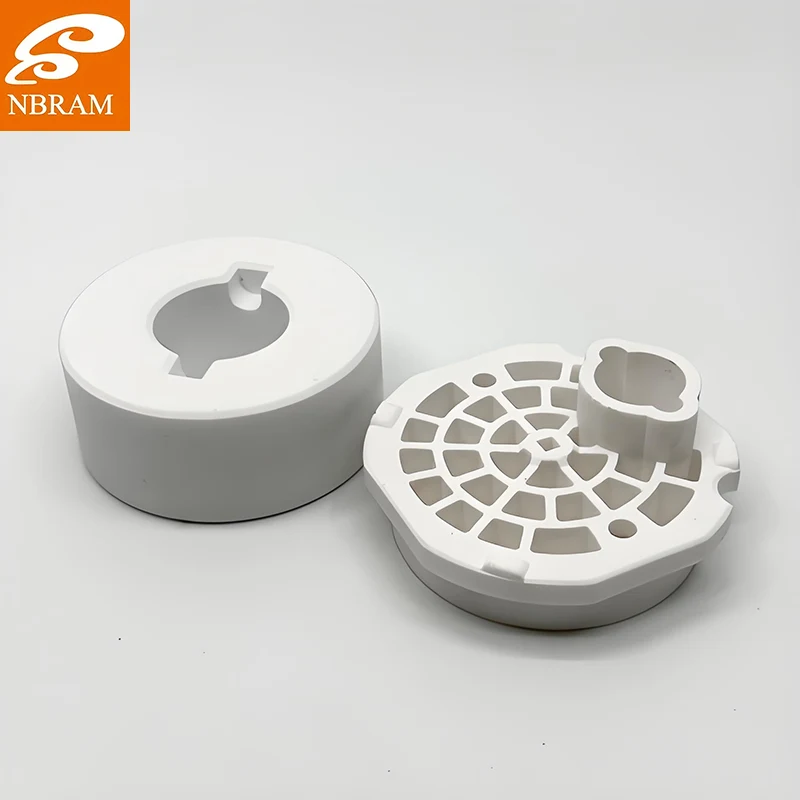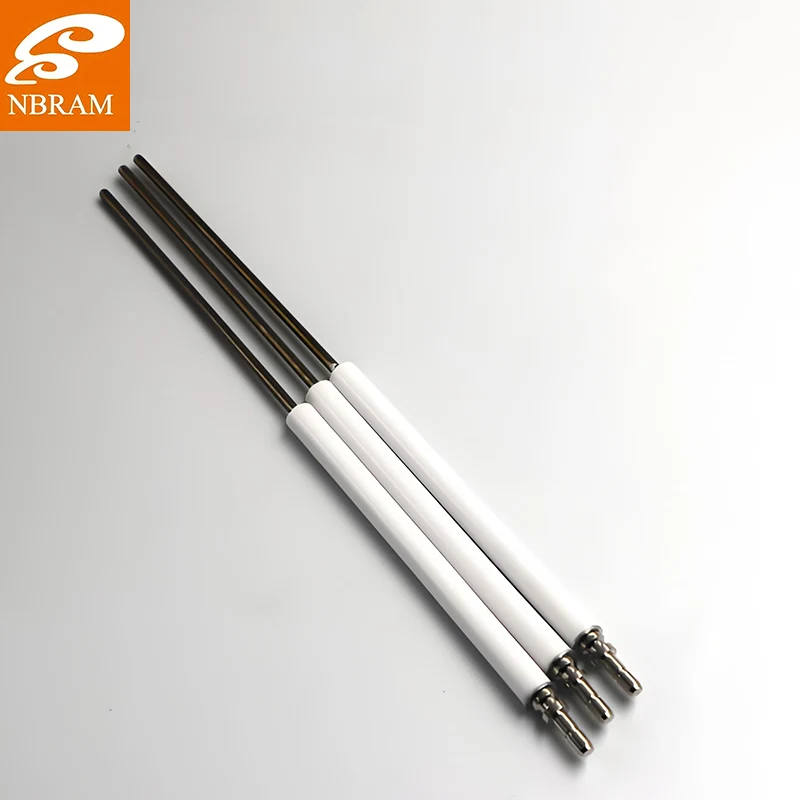
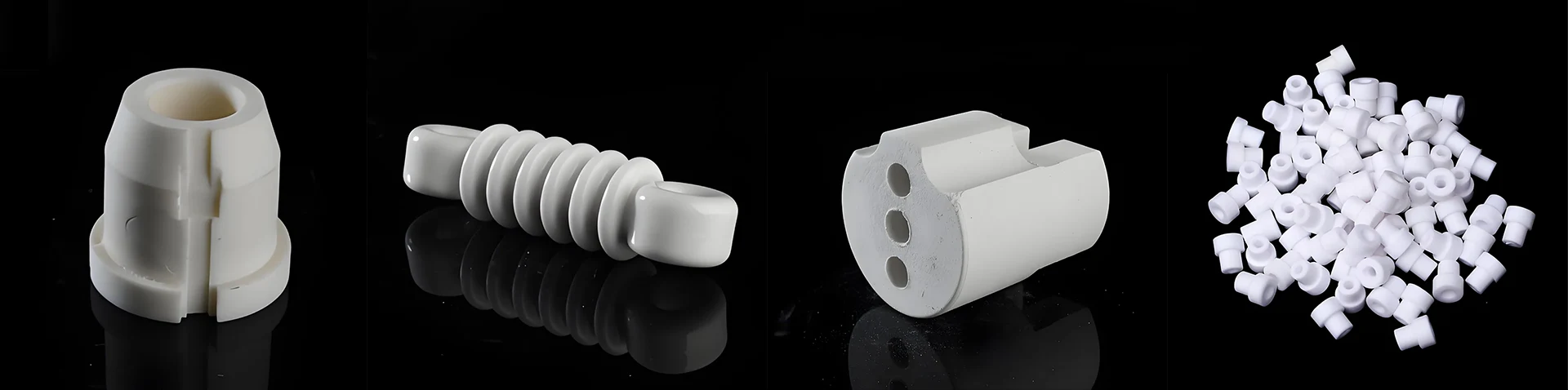
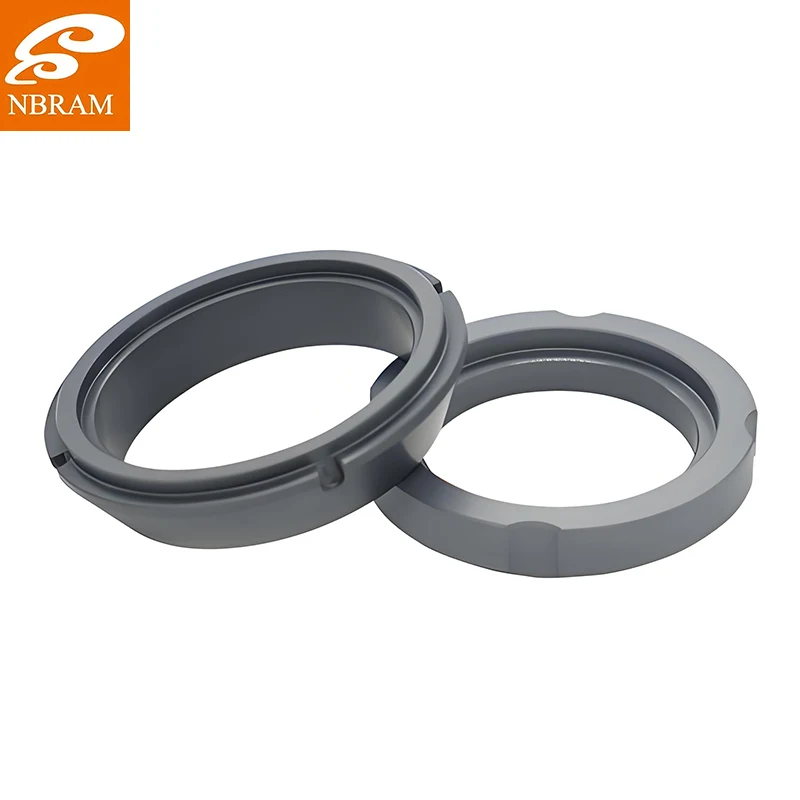
After twenty-five years in fluid handling systems, I've learned that the difference between a reliable pump and a maintenance nightmare often comes down to a few millimeters of ceramic. NBRAM's Ceramic Seal Ring For Pump Mechanical Seals represents engineering excellence where it matters most - at the critical sealing interface that prevents leaks and maintains system integrity. Our high-purity alumina ceramic rings deliver unmatched wear resistance and chemical compatibility, handling everything from aggressive chemicals to abrasive slurries without compromising seal performance. When you need to purchase mechanical seal components that actually last in demanding pump applications, our ceramic seal rings provide the reliability that keeps processes running and maintenance costs under control.
Solving Ceramic Seal Ring For Pump Mechanical Seals reliability issues in demanding pump applications has been my professional mission for three decades. I consulted with a petrochemical plant that was experiencing weekly seal failures in their hydrocarbon transfer pumps - the environmental and safety implications were significant until our ceramic seal ring design provided the robust solution they required. NBRAM's approach involves understanding the specific challenges our customers face in their sealing applications, then engineering ceramic components that deliver reliable performance where conventional materials fall short.
Let me give you the numbers that separate our ceramic seal rings from the competition. Our standard alumina ceramic rings feature hardness ratings of 85-90 HRA (Rockwell A scale) - that's harder than most metals they'll run against. Surface finish is critical for sealing performance, and we achieve Ra ≤ 0.1 μm through precision grinding and polishing processes I personally helped develop after seeing how surface imperfections accelerate wear.
The flatness of Ceramic Seal Ring For Pump Mechanical Seals is maintained within 1 light band (0.3 μm) to ensure perfect mating with counter faces, while perpendicularity is controlled within 0.001 mm to prevent uneven wear patterns. Our rings are available in sizes from 10mm to 250mm OD with custom geometries for specific pump designs. The coefficient of thermal expansion is precisely matched to common mating materials like carbon or silicon carbide to maintain seal integrity during temperature fluctuations. One chemical processing customer achieved zero seal failures for 18 months after switching to our dimensionally stable ceramic rings.
The manufacturing journey of these seal rings is where precision meets practicality. We start with 99.6% pure alumina powder that undergoes multiple purification stages - I insisted on this purity level after analyzing failed seals and finding impurities that created weak points. The pressing process uses isostatic pressing at 200 MPa to achieve uniform density throughout the material, eliminating the density variations that cause premature failure in conventionally pressed ceramics.
The sintering process occurs in precisely controlled kilns with temperature profiles that prevent thermal gradients - we hold at 1650°C for specific durations to achieve the optimal crystal structure that provides both hardness and fracture toughness. Each ring undergoes 100% dimensional inspection and surface quality verification. We also perform destructive testing on samples from every batch to verify internal integrity and material properties. One pump manufacturer told me our rings showed less than 0.001mm wear after 10,000 hours of continuous operation with abrasive fluids.
I remember walking into a wastewater treatment plant where seal failures were occurring weekly due to abrasive particles in the water. Their maintenance team was replacing seals more often than they were maintaining pumps. Our ceramic seal rings changed that equation completely - the extreme hardness and wear resistance allowed them to handle the abrasive environment without significant wear. These rings excel in applications where conventional materials fail prematurely, from chemical processing pumps handling corrosive media to mining operations dealing with abrasive slurries.
The secret lies in the ceramic's combination of chemical inertness and mechanical properties. Unlike metals that corrode or deform under pressure, our alumina rings maintain their dimensional stability and surface characteristics even when exposed to aggressive chemicals or high pressures. I've seen these rings perform flawlessly in API 682 seal arrangements where reliability is non-negotiable. One pharmaceutical customer reported 85% reduction in seal-related downtime after implementing our ceramic rings in their critical process pumps.