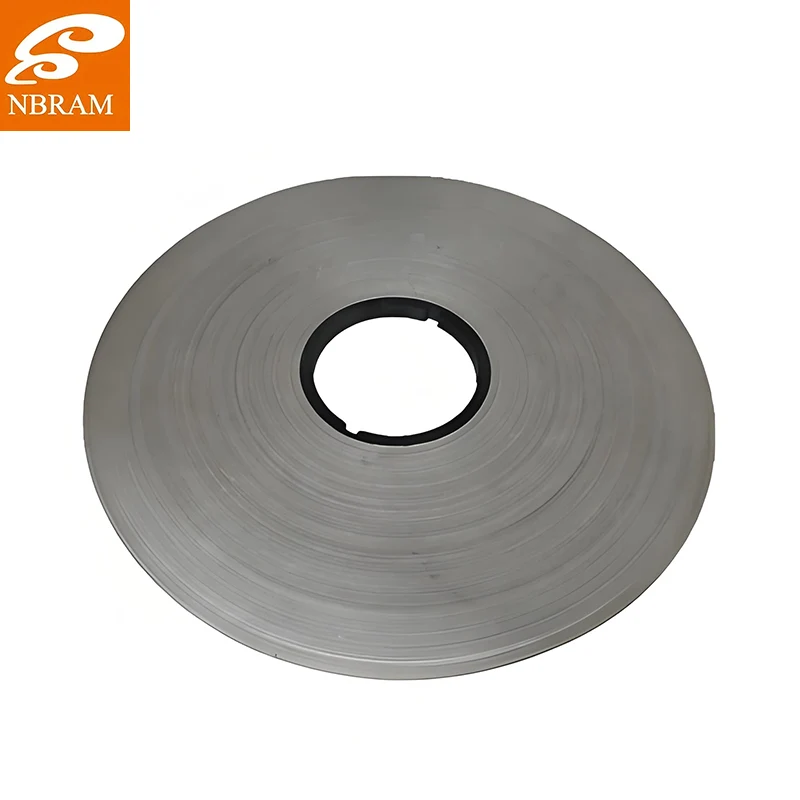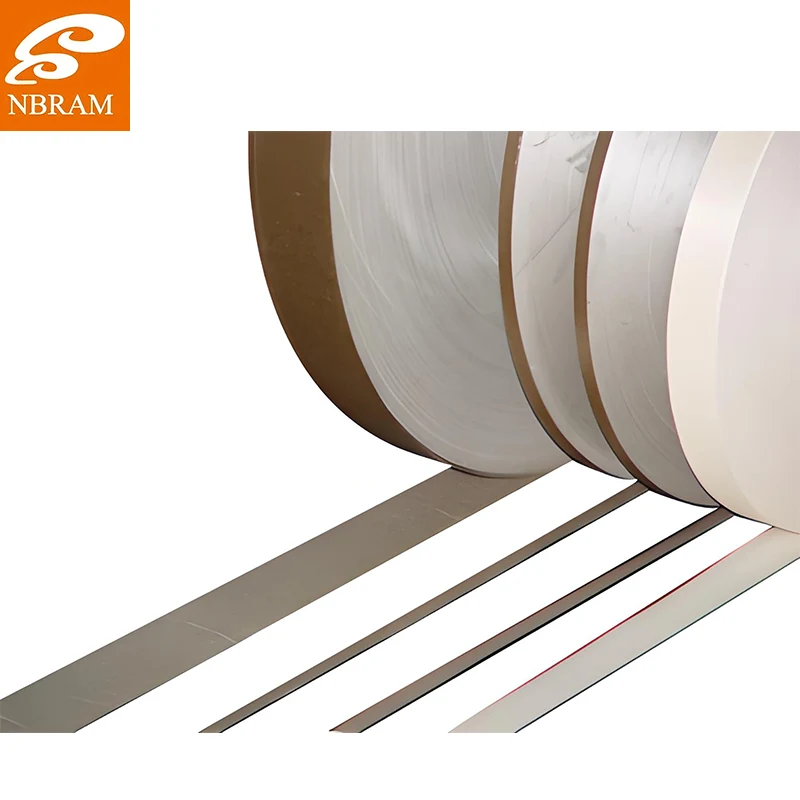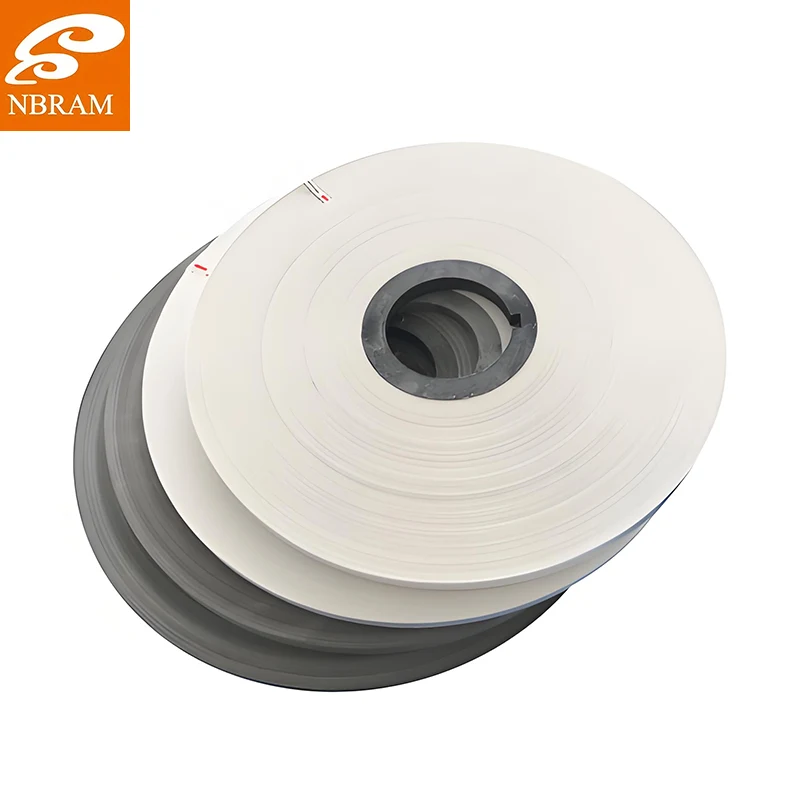
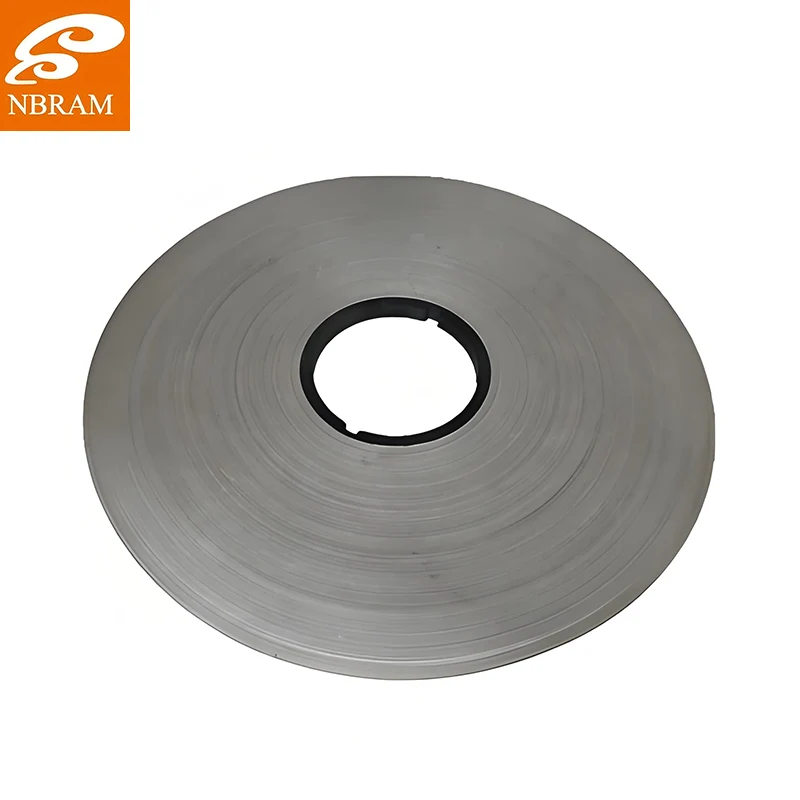
You know that moment when you're reviewing safety protocols and realize traditional insulation just won't cut it for high-risk applications? That's exactly where our flame retardant mica tape steps in – born from witnessing one too many close calls in industrial settings where electrical fires could have been prevented with better materials.
At NBRAM, we've spent decades working with safety engineers who were tired of choosing between performance and protection. Our flame retardant mica tape emerged after collaborating with petrochemical plant operators who needed insulation that wouldn't just resist fire but actively prevent its spread. The breakthrough came when we developed a proprietary formulation that combines mica's natural resistance with advanced flame-retardant chemistry – creating a material that doesn't just meet safety standards but establishes new ones.
What makes our solution different? It's in how we approach fire safety holistically. While most manufacturers focus solely on ignition resistance, we've engineered our tape to provide three-layer protection: preventing ignition, limiting oxygen supply, and forming protective char that maintains structural integrity. This isn't laboratory theory – we've documented cases where our tape contained electrical fires that would have devastated entire production facilities.
When developing our flame retardant mica tape, we prioritized the numbers that make a life-or-death difference during electrical faults. The tape maintains consistent thickness between 0.13mm to 0.25mm, but what truly matters is our flame spread index of less than 5 when tested according to ASTM E84 – essentially making it non-propagating in real fire scenarios.
The electrical properties under extreme conditions tell the critical story: dielectric strength maintains 35-40 kV/mm even at 800°C, while volume resistivity stays above 1.5×10¹⁵ Ω•cm during thermal runaway events. But specifications only matter if they perform when everything else is failing.
Our mechanical testing reveals why this tape survives when others don't – tensile strength of 160-200 N/10mm width combined with limited oxygen index (LOI) values exceeding 35%. This combination ensures the tape maintains integrity both during initial fire events and throughout emergency shutdown procedures.
The true value of our flame retardant mica tape reveals itself during worst-case scenarios. In nuclear power plant applications, we've seen our containment systems prevent cascade failures where electrical fires could have compromised multiple safety systems. The tape's ability to form a protective ceramic layer at 950°C has made it indispensable in emergency shutdown systems where every second counts.
The fire resistance isn't just about preventing ignition – it's about maintaining circuit integrity during critical moments. We've documented instances in data centers where our tape kept emergency power systems operational through entire thermal events, preventing millions in data loss and equipment damage.
For marine and offshore applications, the tape's combination of fire resistance and hydrolytic stability has revolutionized safety standards. One offshore platform operator recently credited our material with preventing what could have been a catastrophic engine room fire when a high-voltage cable fault occurred during storm conditions. The tape's self-extinguishing properties ensured the incident remained contained to a single component.
The story of our flame retardant mica tape begins with material science that treats fire safety as a systems engineering challenge. We source specialty mica with exceptional thermal stability, but the real innovation happens in our proprietary treatment process that embeds flame-retardant properties at the molecular level.
Our manufacturing process incorporates what we call "defensive engineering" – building fire resistance into every layer rather than applying it as a surface treatment. This multi-layered approach ensures consistent performance even when the tape is mechanically compromised or partially damaged during installation.
Every production batch undergoes what we call "failure scenario testing" – simulating real-world fire conditions including direct flame impingement, thermal shock, and combined electrical-thermal stress. This allows us to verify performance under conditions that far exceed standard testing protocols.
The impregnation process is particularly crucial for fire-resistant products. We use precision-controlled saturation systems that ensure complete penetration of flame-retardant compounds without affecting the mica's natural dielectric properties. Our quality verification includes micro-CT scanning to confirm uniform distribution of fire-retardant materials throughout the tape structure.