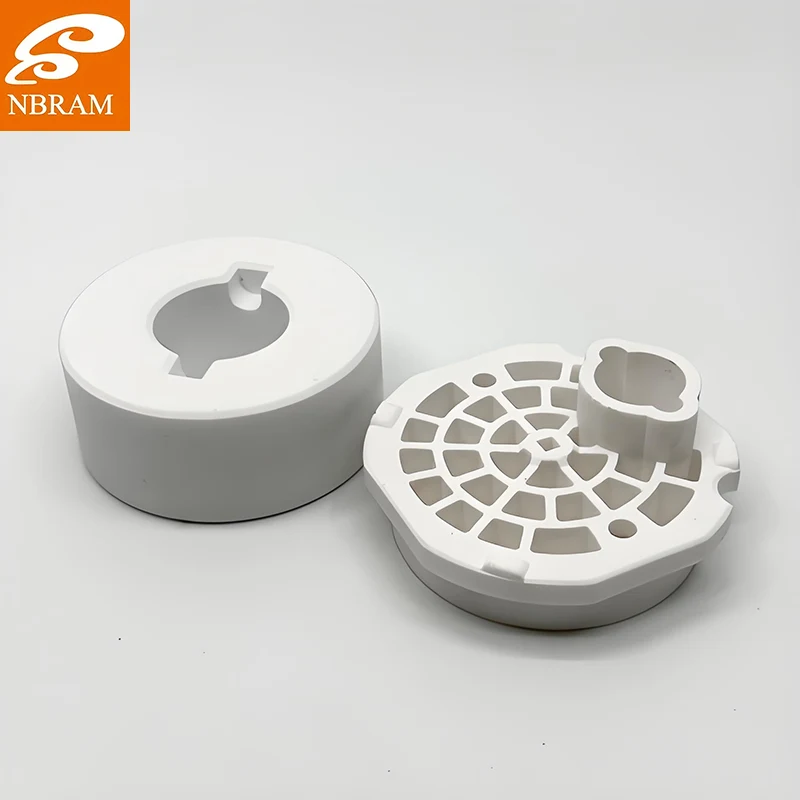

Mica sheets are widely used in electrical insulation, heating equipment, and high-temperature industrial applications due to their excellent thermal and electrical properties. Understanding the factors that influence the thermal stability of mica sheets is essential for ensuring reliable performance in demanding conditions. At Ningbo Ram Electric Material Co., Ltd., we focus on producing high-quality mica sheets that meet stringent industrial standards, providing our customers with durable and reliable solutions.
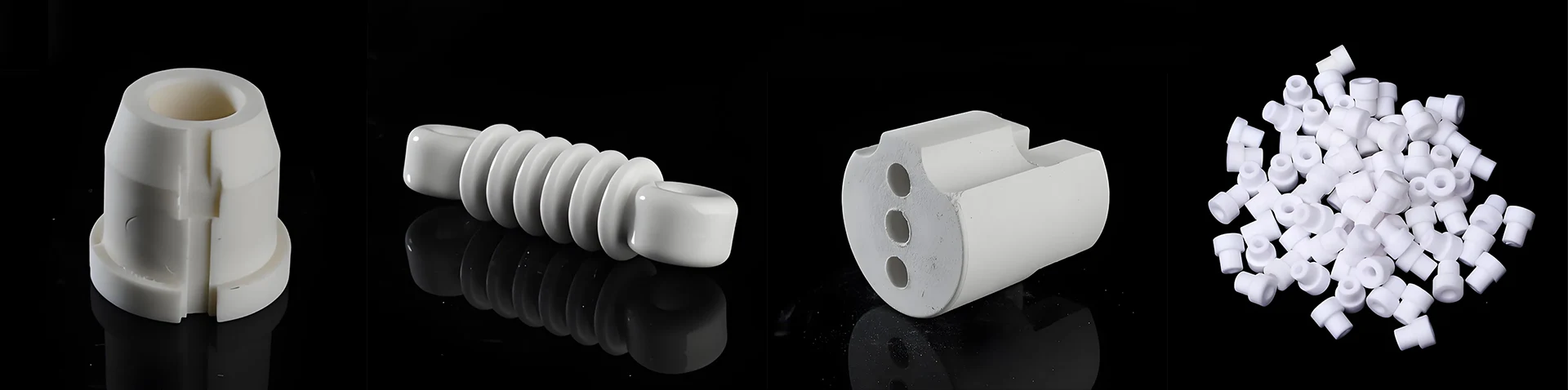
The thermal stability of mica sheets is a crucial factor in their performance across various industrial and electrical applications. At Ningbo Ram Electric Material Co., Ltd., our focus is on producing high-quality mica sheets that maintain their structural integrity and insulating properties even under prolonged exposure to high temperatures. Understanding how material composition affects thermal stability allows our customers to select the most suitable mica sheets for demanding applications such as heating elements, transformers, and electrical insulation components.
One of the most significant factors influencing thermal stability is the type of mica used in production. Mica exists in several natural forms, with muscovite and phlogopite being the most commonly used in industrial applications. Our mica sheets are primarily made from muscovite mica because of its superior heat resistance, chemical stability, and excellent electrical insulating properties.
At Ningbo Ram Electric Material Co., Ltd., we carefully select high-grade muscovite mica to produce our mica sheets, ensuring consistent performance for our customers.
Impurities in mica sheets, such as iron, titanium, or alkali metals, can significantly affect thermal stability. Our factory strictly controls the chemical composition of mica to reduce the presence of these impurities, which can catalyze decomposition at elevated temperatures.
Our quality assurance protocols at Ningbo Ram Electric Material Co., Ltd. include detailed chemical analysis to ensure that the mica sheets meet strict purity standards, supporting long-term thermal performance.
The internal structure of mica sheets is another critical factor. Our mica sheets feature a uniform, tightly-packed lamellar structure, which provides excellent resistance to thermal expansion and reduces the risk of cracking under repeated heating and cooling cycles.
At our factory, we monitor lamellar thickness and structure meticulously during production, ensuring that each mica sheet provides optimal thermal performance.
In some industrial applications, surface treatments can enhance the thermal stability of mica sheets. Ningbo Ram Electric Material Co., Ltd. offers mica sheets with controlled surface coatings that improve heat resistance, chemical stability, and mechanical strength.
Our factory carefully controls the uniformity and thickness of coatings to ensure that mica sheets maintain their properties over extended periods of thermal exposure.
The following table outlines typical material parameters for our mica sheets and explains their impact on thermal performance:
| Property | Typical Value | Impact on Thermal Stability |
| Mica Type | Muscovite | High heat resistance up to 600°C, excellent structural integrity |
| Purity | >99% | Minimizes thermal degradation and crack formation |
| Layer Thickness | 0.05-0.5 mm | Ensures uniform heat distribution and prevents localized thermal stress |
| Dielectric Strength | ≥80 kV/mm | Maintains electrical insulation under elevated temperatures |
| Surface Coating | Optional heat-resistant or moisture-resistant layer | Enhances stability and extends service life |
Understanding the relationship between mica composition and thermal stability is essential for industries that rely on long-term performance. For example, in high-temperature transformers, mica sheets act as both insulation and structural components. Any variation in material quality can result in:
By selecting high-quality mica sheets from Ningbo Ram Electric Material Co., Ltd., customers can ensure that our products meet rigorous performance requirements, providing reliable insulation and long-term durability.
The manufacturing process plays a decisive role in determining the thermal stability and overall performance of mica sheets. At NBRAM, our focus is on combining advanced production techniques with stringent quality control to ensure that each mica sheet meets the highest standards for industrial and electrical applications. The process not only influences thermal resistance but also affects mechanical strength, layer uniformity, and long-term durability.
Proper separation of mica layers is essential to produce high-quality mica sheets. At our factory, we utilize both mechanical and manual techniques to achieve precise lamellar separation. Key factors include:
After layer separation, mica sheets undergo pressing or calendering to enhance structural density and mechanical integrity. At Ningbo Ram Electric Material Co., Ltd., we carefully control pressing parameters to optimize thermal stability:
Heat treatment is a critical stage in enhancing mica sheet stability. By applying controlled heating, our factory stabilizes internal stresses and improves thermal endurance:
Meticulous inspection is essential to guarantee that mica sheets maintain their thermal stability. At Ningbo Ram Electric Material Co., Ltd., our factory implements rigorous quality control measures at every stage of production:
The following table summarizes the main manufacturing parameters for our mica sheets and explains how each contributes to thermal stability:
| Process Stage | Parameter | Impact on Thermal Stability |
| Layer Separation | Controlled mechanical and manual splitting | Prevents structural defects, ensures uniform thickness |
| Pressing/Calendering | Pressure: 5-10 MPa, even surface finish | Enhances density and reduces thermal expansion |
| Heat Treatment | Temperature: 200-400°C, controlled duration | Stabilizes internal stresses, improves lamellar strength |
| Inspection | Visual, microscopic, electrical tests | Ensures consistent performance and reliability |
The thickness and size of mica sheets are critical factors that directly affect their thermal stability and overall performance. At Ningbo Ram Electric Material Co., Ltd., our mica sheets are manufactured with precise control over thickness and dimensions to ensure uniform heat distribution, mechanical strength, and long-term durability. Understanding the relationship between thickness, size, and thermal performance is essential for applications such as electrical insulation, heating elements, and high-temperature industrial equipment.
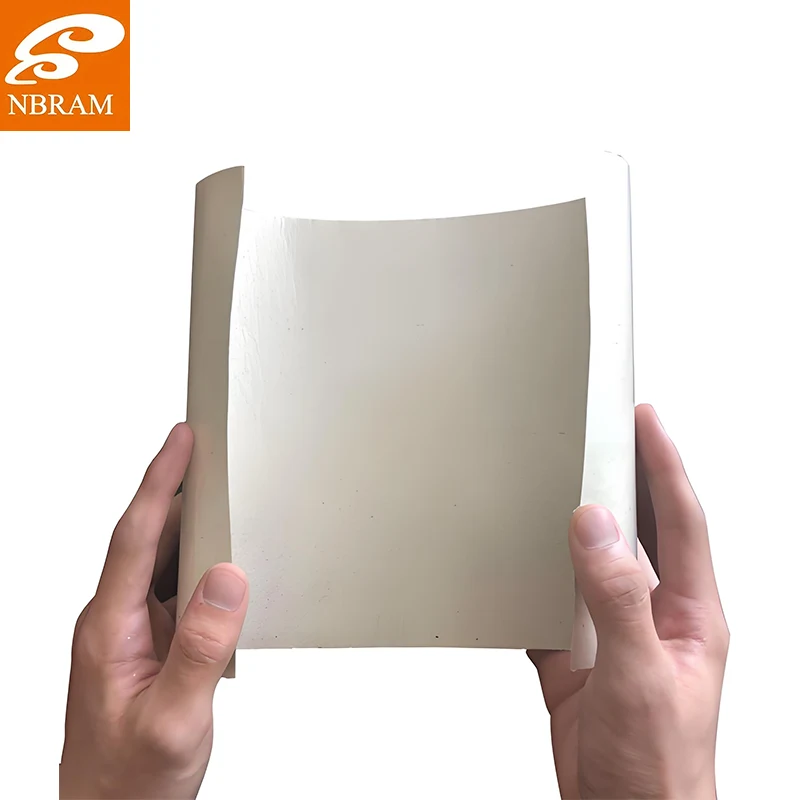
Thickness determines how a mica sheet handles heat transfer and mechanical stress under high temperatures. At our factory, we produce mica sheets ranging from 0.05 mm to 0.5 mm to match different industrial requirements. Key considerations include:
The dimensions of mica sheets also influence thermal and mechanical behavior. At Ningbo Ram Electric Material Co., Ltd., our mica sheets are available in standard and customized sizes, up to 500 mm × 500 mm, to suit diverse industrial applications. Considerations include:
Choosing the right combination of thickness and size is crucial for maximizing thermal stability and long-term reliability. At Ningbo Ram Electric Material Co., Ltd., our factory provides tailored solutions based on application requirements:
The following table summarizes typical thickness and size ranges for our mica sheets and their impact on thermal performance:
| Property | Typical Value | Impact on Thermal Performance |
| Thickness | 0.05-0.5 mm | Ensures even heat distribution and prevents cracking |
| Sheet Size | 100×100 mm to 500×500 mm | Maintains structural integrity and uniform thermal expansion |
| Lamellar Uniformity | High consistency | Enhances stability and long-term durability |
Environmental conditions play a critical role in determining the thermal stability and long-term performance of mica sheets. At Ningbo Ram Electric Material Co., Ltd., our mica sheets are designed and manufactured to withstand extreme operating conditions, ensuring durability in various industrial and electrical applications. Understanding how environmental factors influence performance helps our customers select the right mica sheets for demanding environments.
Moisture is one of the most common environmental factors that can affect mica sheet stability. Excess humidity can penetrate the lamellar layers, reducing dielectric strength and compromising thermal performance. Key considerations include:
Chemical environments can accelerate degradation in mica sheets. At Ningbo Ram Electric Material Co., Ltd., our mica sheets are chemically stable and resistant to common industrial solvents, acids, and alkalis, which is critical for maintaining performance:
Repeated heating and cooling cycles can introduce mechanical stress, causing micro-cracks or delamination in mica sheets. Our factory employs precise manufacturing techniques to mitigate these effects:
Mechanical vibration and physical stress in industrial settings can affect mica sheet stability. At Ningbo Ram Electric Material Co., Ltd., our mica sheets are designed to resist mechanical damage while maintaining thermal properties:
The following table summarizes key environmental factors affecting mica sheet stability and recommended mitigation:
| Environmental Factor | Impact on Mica Sheet | Recommended Mitigation |
| Humidity | Reduces dielectric strength, may cause swelling | Store in dry, controlled environment |
| Chemical Exposure | Weakens lamellar structure, reduces thermal performance | Use chemically resistant mica sheets or coatings |
| Temperature Cycling | Causes micro-cracks and delamination | Use high-grade mica with uniform layers |
| Mechanical Stress | Cracking or structural deformation | Ensure proper thickness and careful handling |
Thermal stability in mica sheets is influenced by material composition, manufacturing processes, sheet thickness, size, and environmental conditions. At Ningbo Ram Electric Material Co., Ltd., our dedication to high-quality production ensures that our mica sheets maintain superior performance under demanding conditions. By selecting our mica sheets, customers benefit from reliable insulation, long-term durability, and optimized thermal performance.
For your high-temperature equipment needs, contact us today to discuss how our mica sheets can enhance your operational efficiency and ensure lasting performance.
Q1: What Factors Affect the Thermal Stability of Mica Sheets?
Thermal stability is influenced by mica type, purity, layer structure, thickness, manufacturing quality, and environmental conditions.
Q2: How Does Impurity Content Impact Mica Sheet Stability?
Impurities like iron or alkali metals reduce heat resistance by initiating early thermal decomposition and weakening the lamellar structure.
Q3: Can Thickness Variations Affect Performance?
Yes, uneven or inappropriate thickness can lead to localized overheating, cracking, and reduced lifespan under thermal cycling.
Q4: Does Manufacturing Method Influence Stability?
Yes, precise layer separation, pressing, and heat treatment enhance structural integrity, reducing risks of thermal expansion and warping.
Q5: How Do Environmental Factors Contribute to Degradation?
Humidity, chemical exposure, temperature cycling, and vibration can accelerate degradation, so proper storage and controlled usage are crucial.