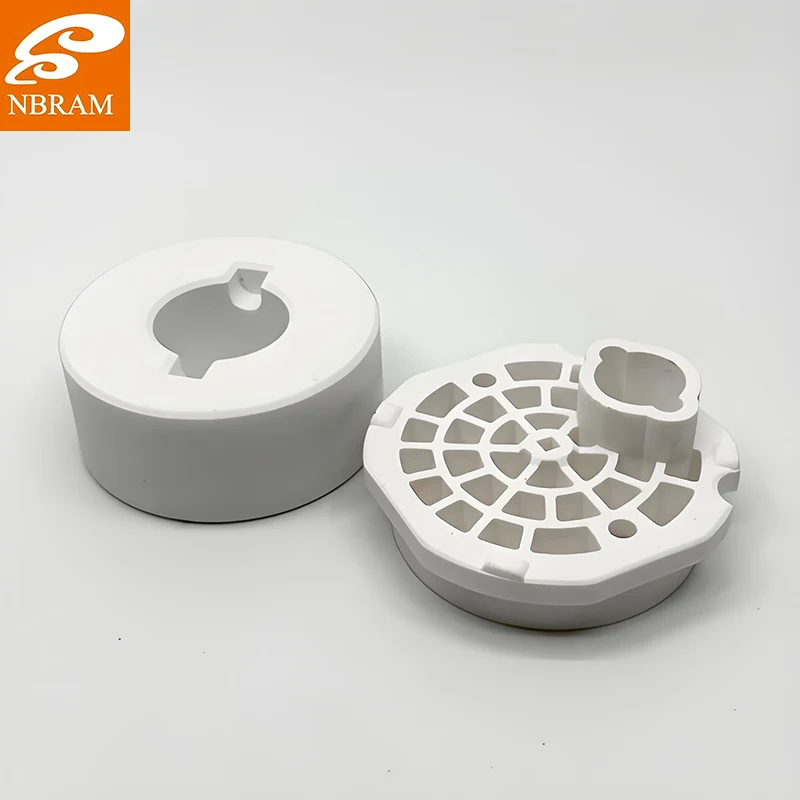

A seal bar on a form-fill-seal machine. A platen inside a small injection mold. A hot plate under a laboratory oven. Three different assemblies, one shared constraint: the heater has to fit the space that was designed around it, not the other way round. That is where OEM mica heaters do their work, and it is why the drawing usually arrives before the specification sheet.
Buying a catalog heater is a simple comparison. Building one into a machine is a different exercise, because the element becomes part of the thermal design. Three numbers decide most of it.
When a seal bar runs cool at one end, the bag leaks. The instinct is to add power. The better fix is usually a different winding layout, or a thicker mica stack under the wire.
Our standard OEM mica heaters hold ±5°C across the heating surface. That figure is measured on the finished part with thermal imaging, not calculated from wire length on paper. A winding that looks even in CAD can still run hot where the leads exit.
Layered construction does most of the work. Resistance wire sits between mica sheets, so heat spreads along the plane instead of concentrating near the terminals. Thin assemblies ramp quickly and cool quickly. Thick stacks hold temperature through the off cycle. Neither is better. It depends on how the machine cycles and where the thermocouple sits.
Control cabinets in different markets rarely agree. A packaging line built for Europe may run a 400V bus, a retrofit in the US sits on 240V, and a bench fixture needs 24V DC. Our OEM heaters cover 24V to 480V AC/DC without changing the outline or the mounting holes.
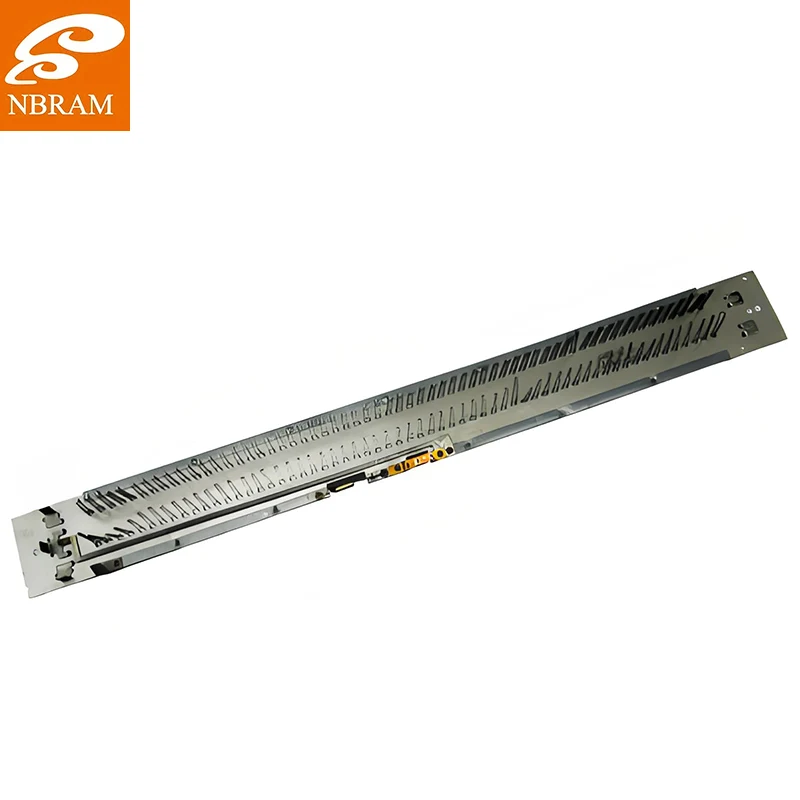
Power density runs from 0.5 to 15 W/cm². The low end suits gentle warming: reagent blocks, drying trays, glue pots. The high end is for fast ramps, and there the thermal mass of the surrounding steel becomes the real limit. A typical unit reaches operating temperature in under 90 seconds, but only when the mounting face is flat and the clamp load is even. Bolt one corner tight and you have built a hot spot.
So where does a buyer land between 8 and 12 W/cm²? Usually in front of the actual part, with a thermocouple and a stopwatch. Calculations get you close. The first prototype tells the truth.
Most OEM mica heaters top out at 600°C. Special designs reach 800°C, and that step is not just a thicker wire. It changes the varnish, the terminal hardware and the wire grade. Above 600°C the element ends oxidize faster than the mica degrades, so the termination becomes the design problem.
Electrical margins stay wide at either level: insulation resistance above 100MΩ at 500V DC, dielectric strength tested at 1500V AC for 60 seconds. Resistance tolerance holds to ±5% from batch to batch. That last figure matters on a multi-zone machine, where two heaters share one controller and a drifting element shows up as a temperature offset the operator cannot explain.
Winding tension is held within 2% on automated equipment. Loose turns overheat. Tight turns stress the wire and shorten fatigue life. It is a small window, and hand winding rarely stays inside it.
Terminals are laser welded rather than mechanically crimped. A crimp can pass a bench test and still open up after a year of vibration on a molding machine. Every finished heater then goes through thermal imaging, followed by vacuum impregnation with high-temperature insulating varnish that seals out moisture and mold release spray.
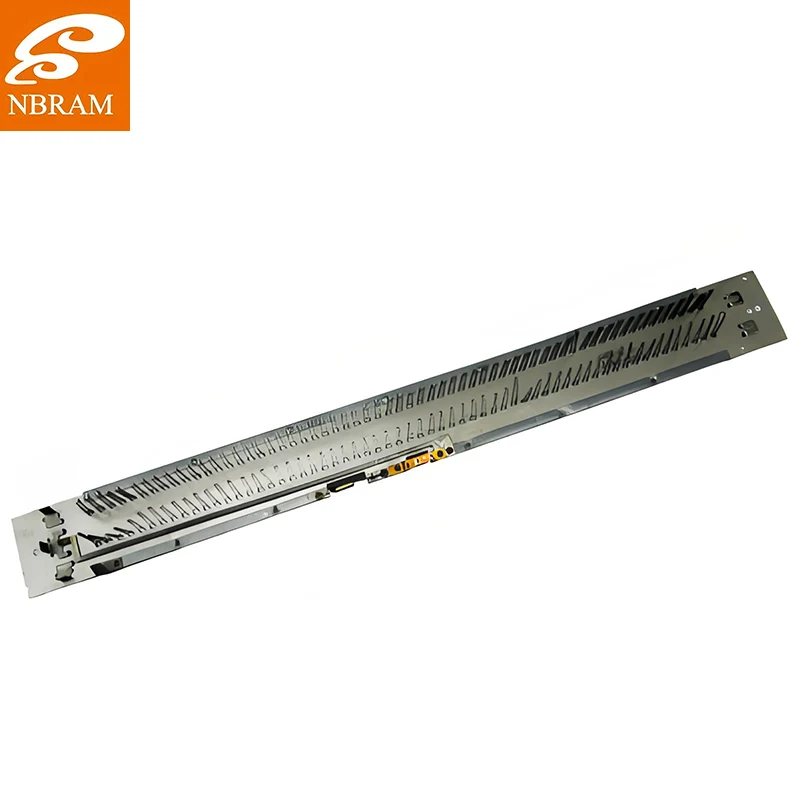
None of this is exotic. It is the difference between a part that runs for years and one that comes back in a box with a note attached.
If you are specifying a heater into an existing housing, send the drawing, the supply voltage and the duty cycle. We build to the outline, test each unit, and ship samples before production quantities. Start with the OEM mica heater page, or browse the full mica heater range for band, strip and plate formats. Custom watt density and lead options are quoted from the drawing, not from a stock list. Related formats sit under heating elements.