
Ask anyone who keeps a steel mill or a foundry running and they will tell you the same thing: the insulation fails long before the machine does. Over the years, NBRAM has heard that complaint from melt shop managers, furnace builders and electrical contractors, and it is the reason our high temperature resistant mica tape exists in its current form.
The tape we ship today is not the same product we made when the factory opened in 2004. More than twenty years of running our own mica lines in Ningbo changed how we think about thermal endurance, and much of that thinking came from customers who were honest about what broke down first.
The headline numbers are easy enough to list. The tape runs 0.15-0.30 mm thick, holds a continuous service rating of 850°C, and tolerates intermittent peaks to 1000°C. Dielectric strength stays above 25 kV/mm even after prolonged exposure at the top end of that range, which is where most tapes quietly give up.
The figures that matter more in a furnace room are the ones measured after the abuse. Tensile strength still holds at 180-220 N/10 mm of width after 1000 hours at 800°C. Shrinkage stays under 2%, which is the difference between a wrap that stays put and one that creeps loose on a hot winding. Thermal conductivity sits in a narrow 0.65-0.75 W/m·K band across the whole temperature range, so the tape insulates predictably whether the equipment is warming up or running flat out.
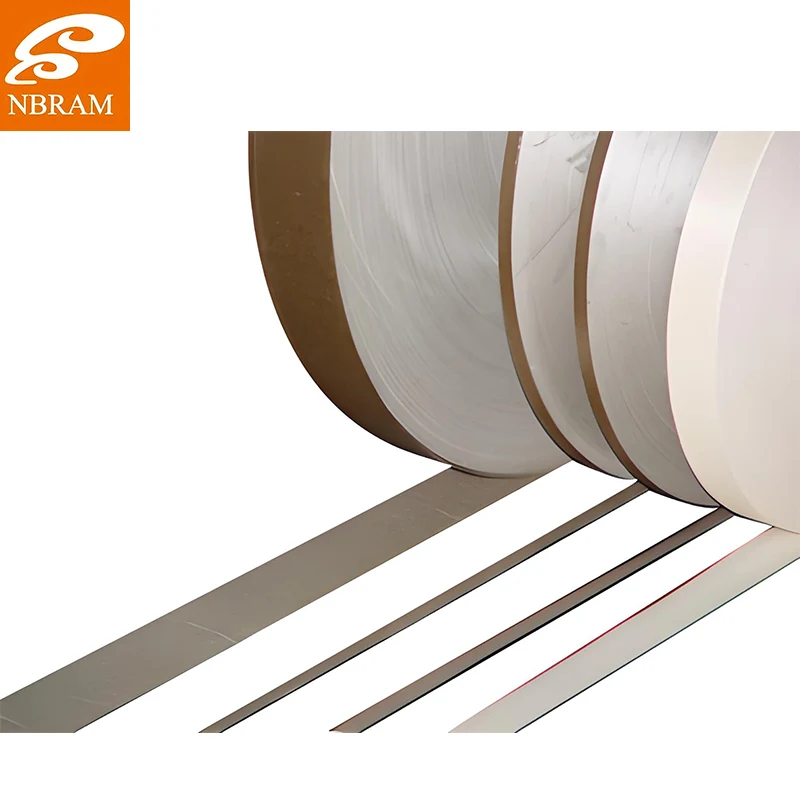
Most of the difference between a tape that survives years of cycling and one that crumbles after a few months comes down to chemistry you never see. Organic binders are fine at moderate temperatures, but they embrittle and crack when the element keeps climbing toward 1000°C. This tape relies on inorganic binders chosen to keep the structure flexible and intact at the temperatures where organic systems fail.
We also treat the mica platelets before they ever reach the coating line. The idea is simple: stabilize them against thermal degradation before assembly, not after a customer reports a problem. Every batch then goes through accelerated aging that simulates years of thermal stress, so a rating on paper has already been tested on a machine before the tape leaves the factory floor.
The application list reads like a tour of hot industries. Steel mills and foundries use it where sustained temperatures pass 900°C. Glass plants wrap furnace transformer systems that sit in 800-900°C ambient heat. Power generation crews depend on it through thermal transients that would destroy conventional insulation. Aerospace designers value the combination of thermal stability and low outgassing for thruster and engine bay insulation.
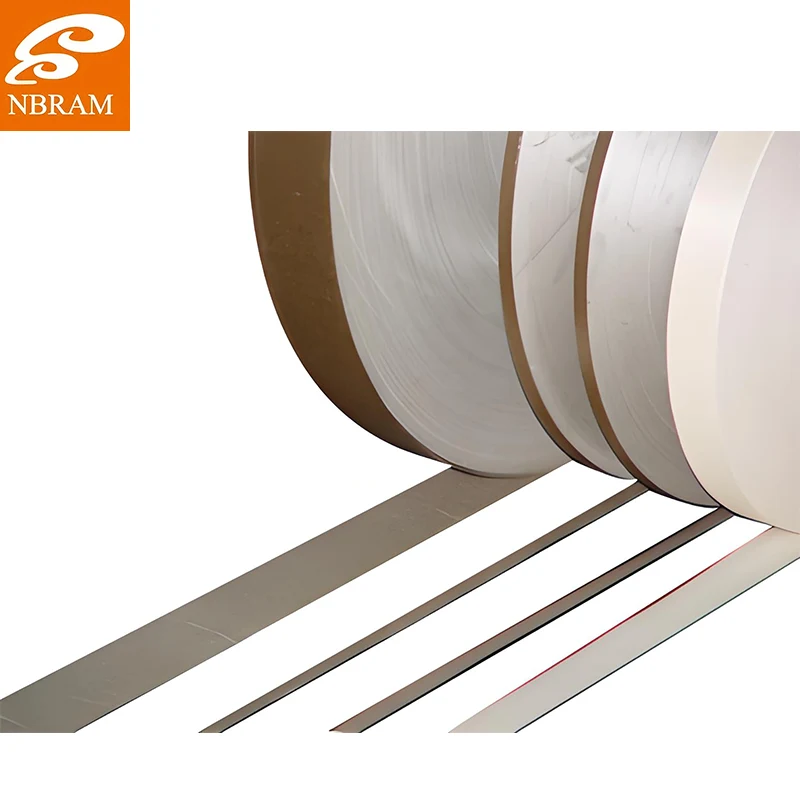
Because the tape family shares one production floor, orders often start with a conversation about the specific wrap. Fire resistant cable tape, motor insulation tape and mica rolls are all made alongside this grade, and it is common for one customer to take two or three of them at once. The whole range sits under ISO 9001 control at the Ningbo plant, with every production stage tracked from raw mica to the finished roll. For constructions and widths, the high temperature resistant mica tape product page is a good place to start, and the composite mica tape category covers the wider family.
If you are testing materials for a 900°C problem, we are happy to send samples and talk through the winding or wrapping details. Contact the NBRAM team through the inquiry page and mention the application, and you will usually hear back within one working day.