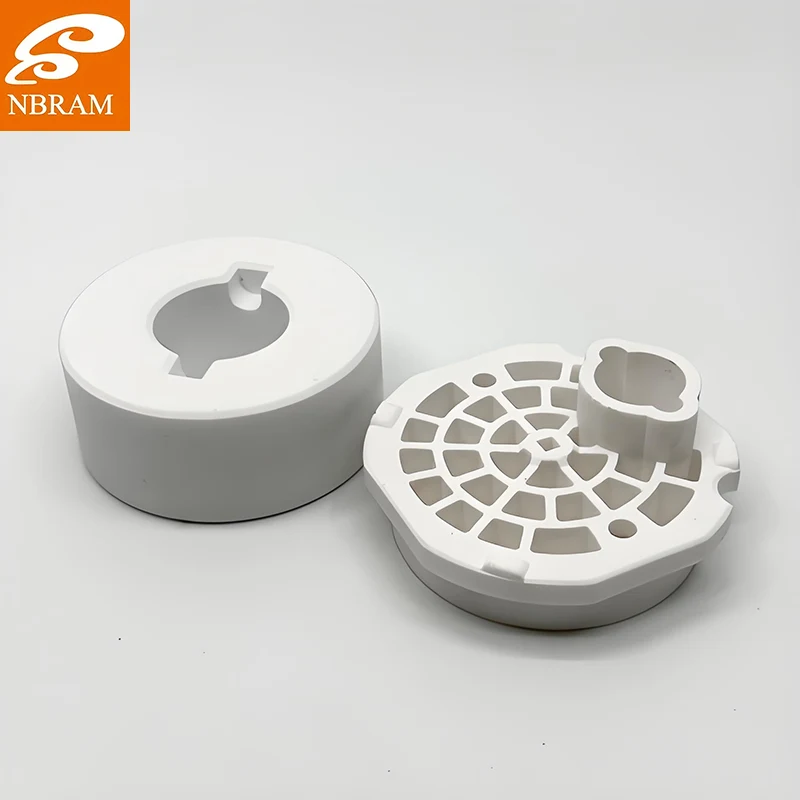

PTC stands for positive temperature coefficient. A PTC heating element is a ceramic-based heater whose electrical resistance rises sharply as its temperature increases, which gives it the unique ability to limit its own temperature without any external control circuit.
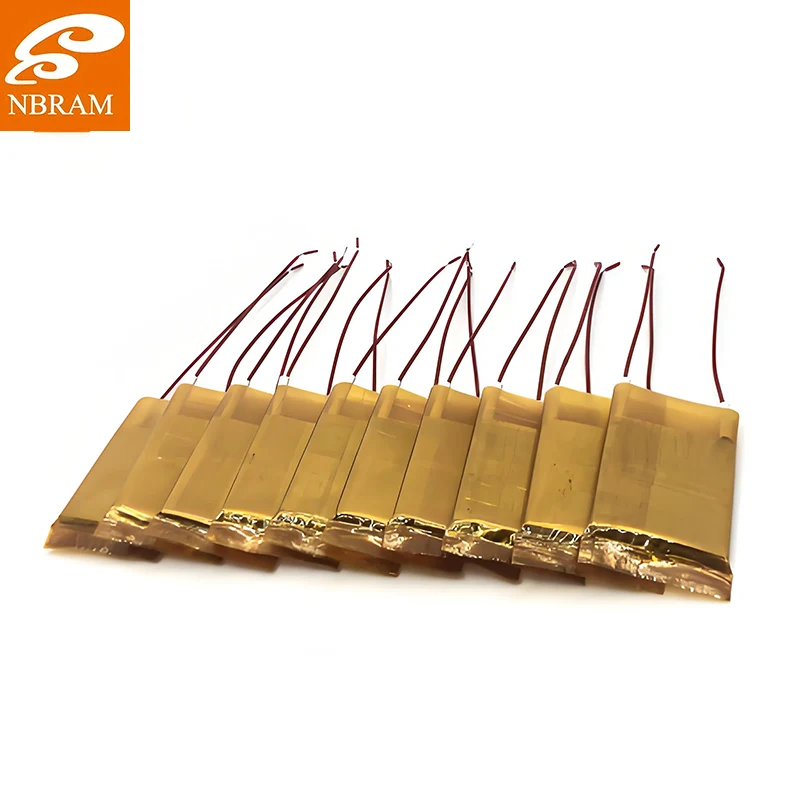
Every heating application faces the same fundamental dilemma: how to deliver strong, consistent heat without ever running the risk of overheating. Conventional resistive heaters solve the problem with external thermostats, sensors, and control circuits — but each added component is another point of failure. PTC heating elements take a different path: they regulate themselves, using the physics of the ceramic material itself to keep temperature safely in check. For engineers designing appliances, automotive systems, and industrial equipment, that built-in intelligence is changing how heating is specified.
PTC stands for positive temperature coefficient. A PTC heating element is built from barium titanate-based ceramic whose electrical resistance rises sharply as its temperature increases. Below the material's designed Curie point, the element conducts current normally and generates heat. Once it approaches that set temperature, resistance climbs dramatically — in some formulations by orders of magnitude — and the current flowing through the element drops on its own. The result is self-limiting heating: the element naturally holds a target temperature without any external controller, and it cannot run away into dangerous overheating. When the environment cools, the ceramic conducts again and heating resumes.
The most obvious benefit of PTC technology is safety. Because power is intrinsically limited at high temperatures, a PTC element remains safe even under fault conditions such as blocked airflow or voltage surges — scenarios where conventional heaters can overheat, damage surrounding components, or create fire risk. No separate overtemperature protection is required, which simplifies design and reduces BOM cost. Efficiency follows the same principle. Rather than cycling a fixed-power heater on and off, a PTC element continuously modulates its own power draw, using only the energy needed to hold temperature. This eliminates wasted heat and extends service life, since the element is never driven beyond its thermal limits.
NBRAM's PTC heating elements are engineered for applications where reliability is non-negotiable: In electric vehicles and automotive, low-voltage modules (12V-48V) provide uniform battery pack preheating even down to -40C, automatically curtailing power at optimal operating temperature; PTC discs are also widely used in seat heaters, where OEMs have measured significant energy savings compared with traditional resistive wire. In consumer appliances, flexible PTC sheets in hair dryers, yogurt makers, and refrigerator defrosting systems maintain constant temperatures without PWM controllers, cutting circuit complexity by as much as half. In HVAC and industrial equipment, high-power cassettes deliver precise duct heating in air handlers, with self-limiting behavior removing the need for separate overtemperature relays. In medical and laboratory devices, miniature PTC chips provide the +/-0.5C stability required by PCR thermal cyclers, while transparent PTC films offer elegant defogging solutions for glass panels.
Because the heating profile is determined by ceramic composition, PTC elements can be tailored precisely. NBRAM engineers custom Curie points from 60C to 280C, select substrates such as aluminum, stainless steel, or polyimide film for flexible designs, and offer options from 12V DC to 480V AC with surge protection. Automotive-grade units are available to AEC-Q200, while household appliance designs comply with IEC 60335-1 and UL 1431 — and IP67 protection can be specified for outdoor and vehicle applications. From precision formulation and screen-printed silver electrodes to sintering in oxygen-controlled furnaces and 1,000-hour humidity cycling tests, every NBRAM PTC element is manufactured and verified for sharp, reliable switching at its target Curie point.
As energy-efficiency standards tighten and devices grow more compact, the case for self-regulating PTC heating keeps getting stronger. Fewer external components, inherent fail-safe behavior, and lower energy consumption make it an ideal fit for the next generation of electric vehicles, smart appliances, and precision instruments.
Interested in testing PTC technology in your own application? NBRAM offers free sample kits and OEM engineering support — contact the team to discuss your thermal requirements.