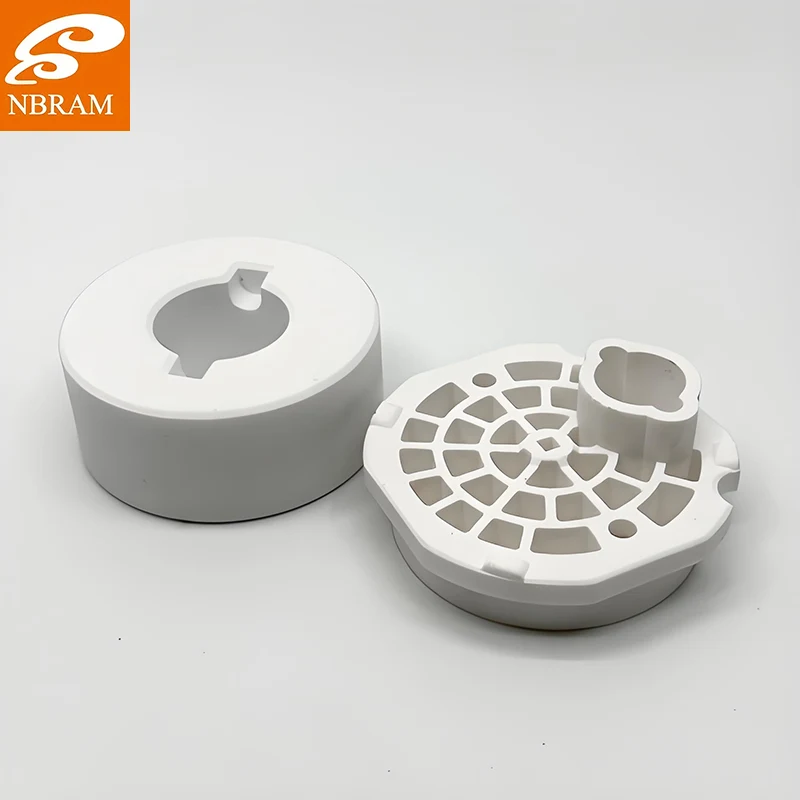

From household appliances to industrial heating systems, the bimetal thermostat remains one of the most reliable and cost-effective temperature control components in the world. Understanding how it works, where it is used, and how to choose the right model can help manufacturers, engineers, and buyers improve performance, safety, and energy efficiency.
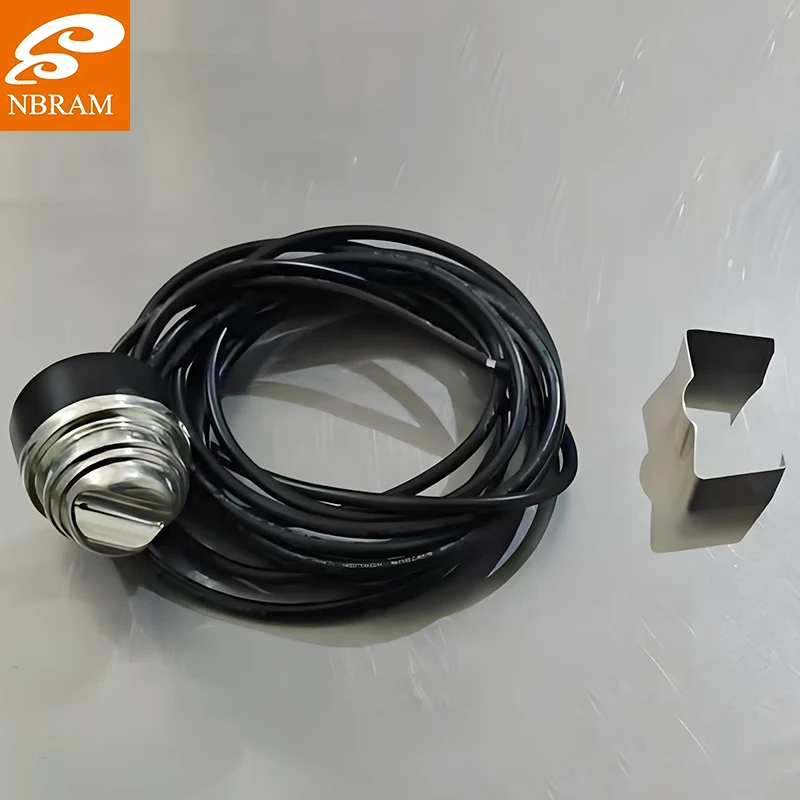
A bimetal thermostat is a temperature-sensitive switch that uses two bonded metals with different thermal expansion rates to regulate heat automatically. It is widely used in electric heaters, coffee makers, ovens, HVAC systems, motors, battery packs, and industrial equipment.
This article explains the working principle, types, advantages, applications, installation considerations, common problems, maintenance methods, and purchasing tips for bimetal thermostats. Whether you are a product designer, distributor, or industrial buyer, this guide will help you make informed decisions.
A bimetal thermostat is a mechanical temperature control device that automatically opens or closes an electrical circuit based on temperature changes. It is constructed using two different metal strips bonded together. Because these metals expand at different rates when heated, the strip bends as temperature changes occur.
This movement activates a switching mechanism that either interrupts or allows current flow. The simplicity of this design makes bimetal thermostats highly reliable and affordable for both consumer and industrial applications.
| Component | Function |
|---|---|
| Bimetal Strip | Responds to temperature changes |
| Electrical Contacts | Open or close the circuit |
| Housing | Protects internal components |
| Adjustment Mechanism | Controls temperature setting |
Unlike digital sensors that require software or electronic control systems, bimetal thermostats operate mechanically, making them suitable for harsh environments and long-term use.
The operating principle of a bimetal thermostat is based on thermal expansion. Different metals expand differently when exposed to heat. When two metals are bonded together, the unequal expansion forces the strip to curve.
As temperature rises, the strip bends enough to trigger the switch. Depending on the design, this action either:
Once the temperature returns to the preset level, the strip returns to its original shape and resets the switch automatically. This cycle repeats continuously during operation.
Temperature control is critical for safety, energy efficiency, and equipment lifespan. Without reliable thermostats, electrical systems can overheat, become damaged, or create fire hazards.
Bimetal thermostats play an essential role in:
Many industries still rely heavily on bimetal thermostats because they provide dependable thermal protection at a lower cost compared to advanced electronic systems.
Bimetal thermostats are found in countless commercial and industrial products. Their versatility allows them to function effectively in various temperature-sensitive systems.
| Industry | Application |
|---|---|
| Home Appliances | Rice cookers, ovens, kettles, refrigerators |
| HVAC Systems | Air conditioners and heating units |
| Automotive | Engine temperature monitoring |
| Industrial Equipment | Motor protection and machinery safety |
| Medical Devices | Controlled heating applications |
| Battery Systems | Thermal protection for lithium batteries |
In industrial manufacturing, temperature stability is directly related to product quality. This makes bimetal thermostats especially important in production lines requiring accurate heat management.
Several types of bimetal thermostats are available depending on the application and required control characteristics.
| Type | Description |
|---|---|
| Snap Action Thermostat | Provides fast switching response |
| Adjustable Thermostat | Allows manual temperature settings |
| Automatic Reset Thermostat | Resets after cooling down |
| Manual Reset Thermostat | Requires manual restart after activation |
| Disc Thermostat | Compact design for appliances |
Each thermostat type is designed for specific operating environments, electrical loads, and temperature ranges.
One reason bimetal thermostats remain widely used is their combination of affordability, durability, and simplicity.
In demanding industrial environments, electronic components may fail due to humidity, dust, or vibration. Bimetal thermostats can continue operating reliably under these harsh conditions.
Selecting the correct thermostat depends on multiple technical factors. Choosing the wrong specification can lead to inefficient operation or premature failure.
Important considerations include:
| Selection Factor | Why It Matters |
|---|---|
| Temperature Accuracy | Ensures proper thermal control |
| Electrical Capacity | Prevents overload damage |
| Material Quality | Improves durability |
| Certifications | Meets safety standards |
Manufacturers often customize thermostat designs for unique applications. Working with experienced suppliers helps ensure compatibility and long-term reliability.
Although bimetal thermostats are reliable, certain issues can still occur during operation.
Understanding these risks allows users to implement preventive maintenance strategies and improve equipment reliability.
Proper maintenance can significantly extend the lifespan of a thermostat and reduce unexpected equipment downtime.
Preventive inspections are especially important in industrial applications where continuous operation is critical.
Manufacturers value bimetal thermostats because they offer an excellent balance between performance and cost. In mass-produced products such as electric appliances, production efficiency and reliability are extremely important.
Compared with more complex electronic systems, bimetal thermostats:
Many global manufacturers continue using mechanical thermal protection systems because they deliver consistent results even after years of operation.
Although smart electronics are growing rapidly, bimetal thermostat technology continues evolving to meet modern industry demands.
Current development trends include:
Manufacturers are also investing in environmentally friendly materials and energy-efficient thermal control technologies.
As industries continue prioritizing safety and energy optimization, demand for dependable temperature control components is expected to remain strong.
Q1: What is the main purpose of a bimetal thermostat?
A bimetal thermostat automatically controls temperature by opening or closing electrical circuits based on heat changes.
Q2: Are bimetal thermostats reliable?
Yes. Their simple mechanical design makes them highly reliable and durable for long-term use.
Q3: Can bimetal thermostats be customized?
Yes. Manufacturers can customize temperature settings, housing structures, and electrical specifications for specific applications.
Q4: What industries use bimetal thermostats?
Industries such as home appliances, HVAC, automotive, industrial manufacturing, medical equipment, and battery systems all use bimetal thermostats.
Q5: How long does a bimetal thermostat last?
Lifespan depends on operating conditions, but high-quality units can function reliably for many years with proper maintenance.
Q6: What causes thermostat failure?
Common causes include electrical overload, contact wear, corrosion, improper installation, and excessive switching cycles.
Bimetal thermostats remain one of the most practical and trusted temperature control solutions available today. Their mechanical simplicity, excellent reliability, and affordable cost make them ideal for a wide range of applications.
Whether used in household appliances, industrial systems, automotive equipment, or advanced battery protection, these thermostats provide dependable thermal regulation that improves safety, efficiency, and operational stability.
Choosing the right thermostat supplier is equally important. Product quality, engineering expertise, customization capability, and manufacturing consistency all influence long-term performance.
Ningbo Ram Electric Material Co., Ltd. specializes in high-quality thermal protection and temperature control components designed for modern industrial and commercial applications.
Whether you need customized specifications, bulk orders, or technical support, our experienced team is ready to help you find the ideal solution for your project. Contact us today.