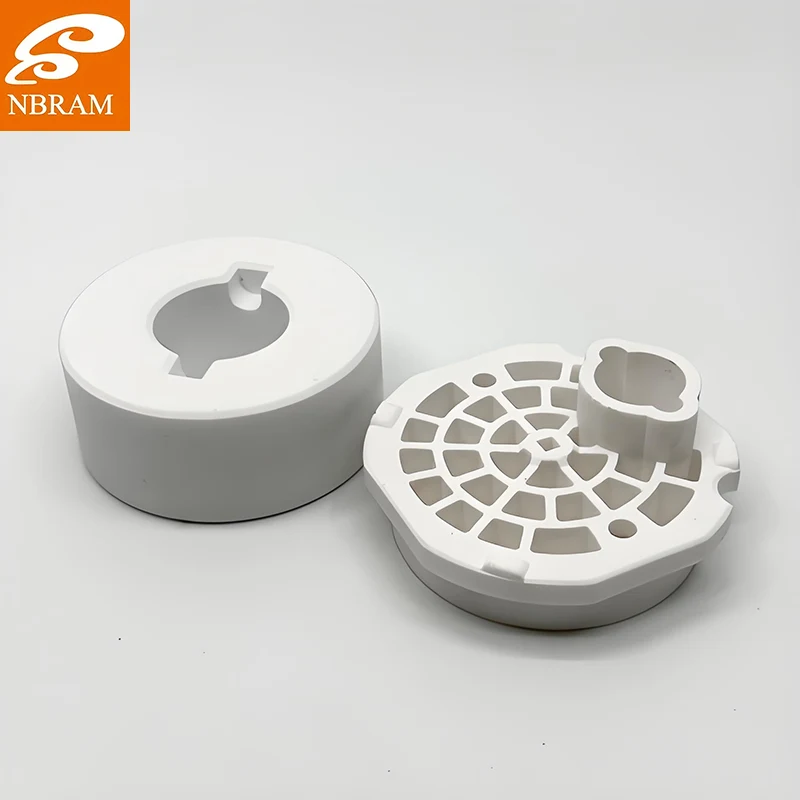

Walk into any bathroom on a January morning and the first thing a user notices is not the tile or the fittings. It is whether the seat is warm. That single detail decides how a toilet feels to use, and it is the reason we keep refining the element hidden underneath it. Building warmth into a wet room sounds easy until you measure what the room does to a heater.
Condensation is the real opponent. Air saturated to 95% relative humidity, splash water, cleaning chemicals, and an element that switches on for a few minutes at a time, dozens of times a day. Our intelligent toilet heating element was designed around that duty rather than around a lab bench, and most of the engineering effort sits in places a user never sees.
Water and electricity share a bathroom whether we like it or not, so the design starts by keeping voltage low. These elements run on 12V to 24V DC. Power draw sits between 15W and 40W, which is enough to bring a seat to a comfortable touch without heating the whole room.
Comfort has a narrow window. A seat that sits below the working band reads as cold to the skin, and one that runs well above it feels unpleasant, especially for elderly users or patients who cannot shift position easily. We hold surface temperature in the 30°C to 40°C band with ±1°C control accuracy, and the element warms up in under 60 seconds. Gradual warm-up is deliberate. A sudden jump from cold to full heat is exactly what users complain about.
Moisture kills heaters at the joints, not in the heating zone. Terminal areas are where condensation collects, and a connection that corrodes in month three becomes a service call in month six. We vacuum-seal each element with a moisture-resistant epoxy, and the electrical connections are gold plated. Not for appearance. Gold does not oxidise into the green crust copper develops in damp air, so contact resistance stays stable over years of switching.
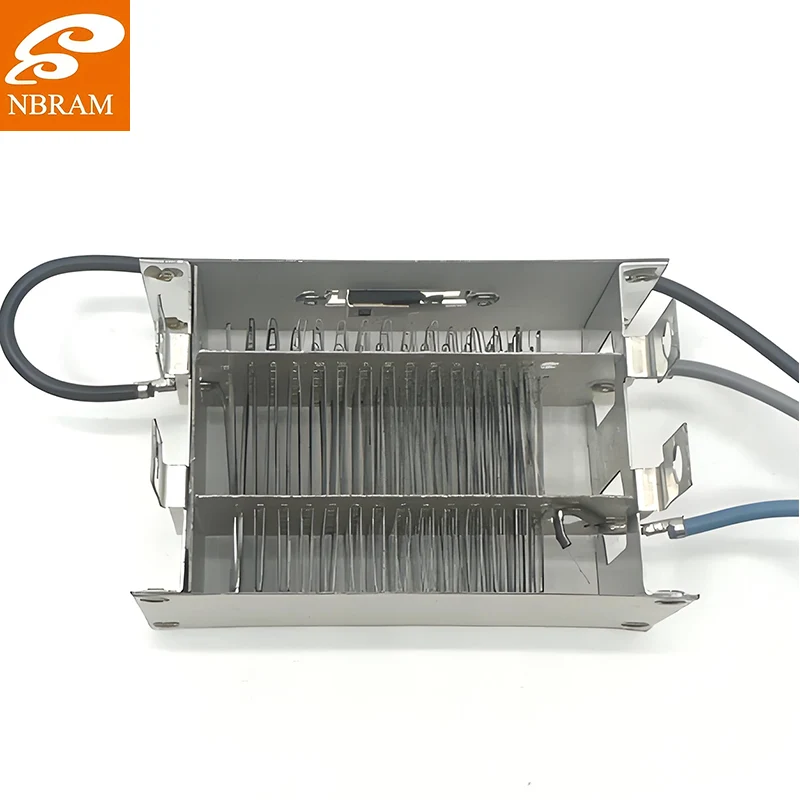
Every unit then runs a dielectric test at 1500V AC before it leaves the line, and insulation resistance is specified above 100MΩ at 500V DC. Both figures matter more in a bathroom than in most appliance work, because the enclosure may still be damp while the user is in direct contact with the product. Sealing behaviour gets its own check in 95% humidity chambers, cycling the parts that face the room through hot and cold phases.
PTC ceramic is the reason the element behaves well as it warms. Its resistance climbs with temperature, so the element self-limits instead of running away when airflow or contact conditions change. That property is what makes the 30°C to 40°C band repeatable on a cold winter morning and on a humid summer evening with the same hardware.
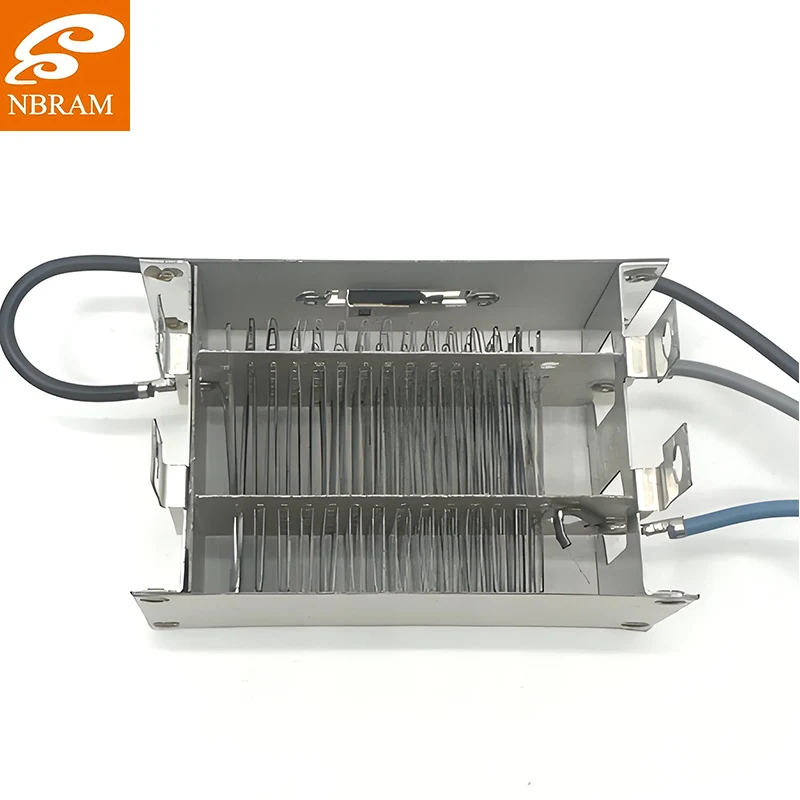
Batch testing at our Ningbo plant covers more than the datasheet values. Samples go through humidity soaks, load cycling and insulation checks well beyond the rated window, because fault conditions in a real bathroom do not respect a specification sheet. The quality system runs to ISO 9001, and materials are selected to meet RoHS (2011/65/EU) for export markets across Europe and Asia. NBRAM has been building insulation and heating components since 2004, and bathroom duty has been part of that work for most of those 21-plus years.
Almost no two intelligent toilet designs mount the element the same way. Lead length, terminal orientation, mounting plate geometry, cable exit and connector type all change between models, and a standard part rarely drops in without an adapter. We build to drawing, with tooling for the mounting plate and the sealed lead assembly matched to the customer's housing. Small runs are possible for evaluation, and we ship samples so a design team can test the element inside the real tank and seat assembly before committing to production volumes.
If you are sourcing heat for smart toilets, bidet seats or heated bathroom fixtures, our intelligent toilet heating element page lists the full specification, and the PTC heater and mica heater ranges cover other formats for appliances that need controlled warmth. Send your working conditions with the inquiry, including supply voltage, power target and seat geometry, and we will come back with a drawing.