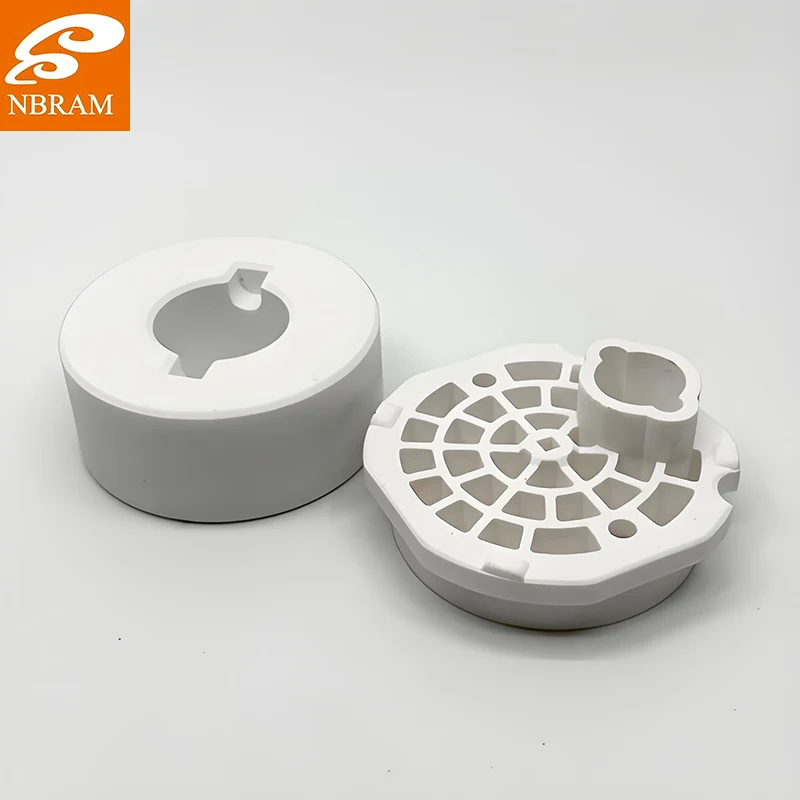

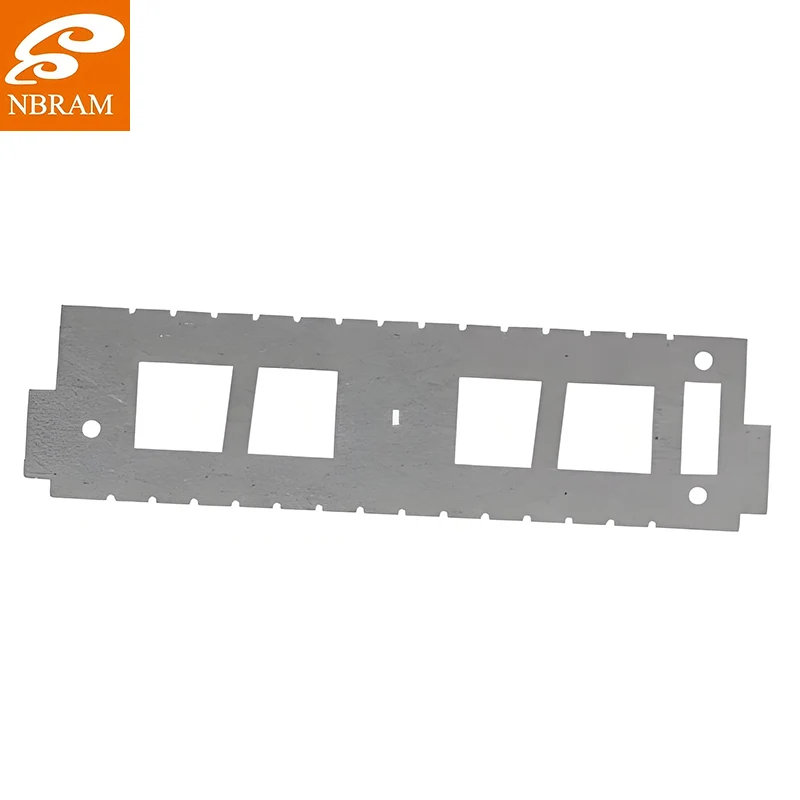
A stamped mica support holds heater element spacing at 850°C. We hold thickness to ±0.05mm and 18-22 kV/mm dielectric strength after thermal cycling, and inspect every stamp for micro-fractures.
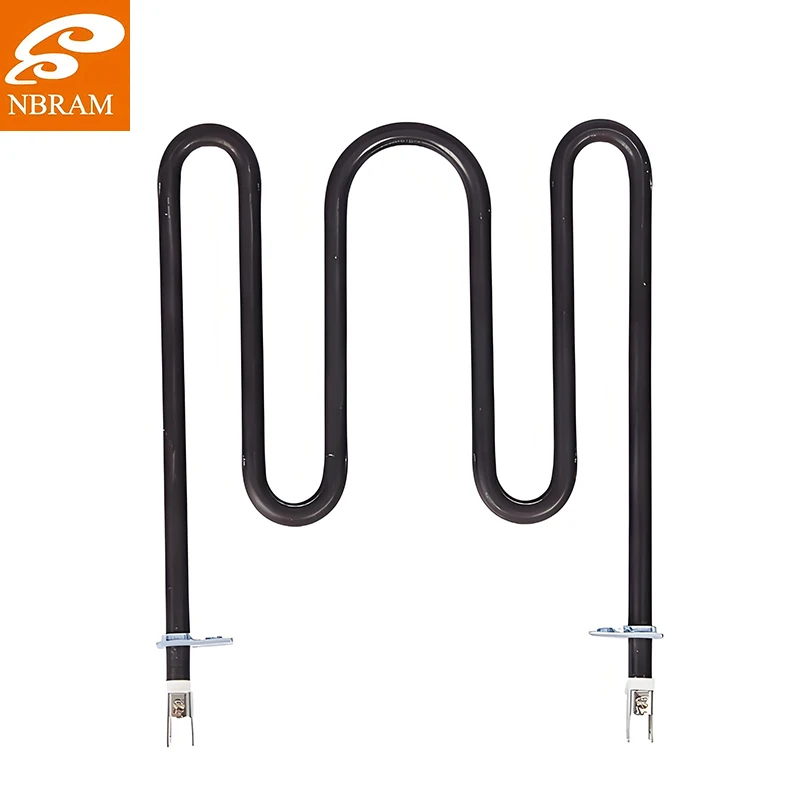
A folded M-profile tubular heater wraps the workpiece with three contact points instead of one hot line, giving 40-60% more effective heating length in the same footprint and no cold ends.
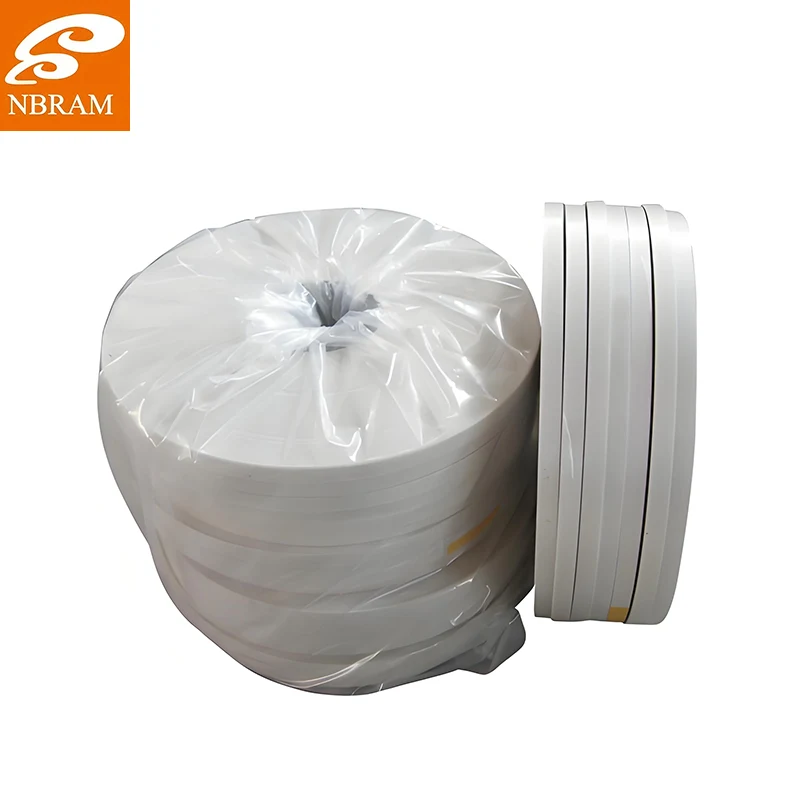
How 850°C calcination strips structural water from muscovite mica, why the finished tape still holds 18-25 kV/mm after 950°C exposure, and where 0.10-0.25mm grades are used in furnace and cable work.
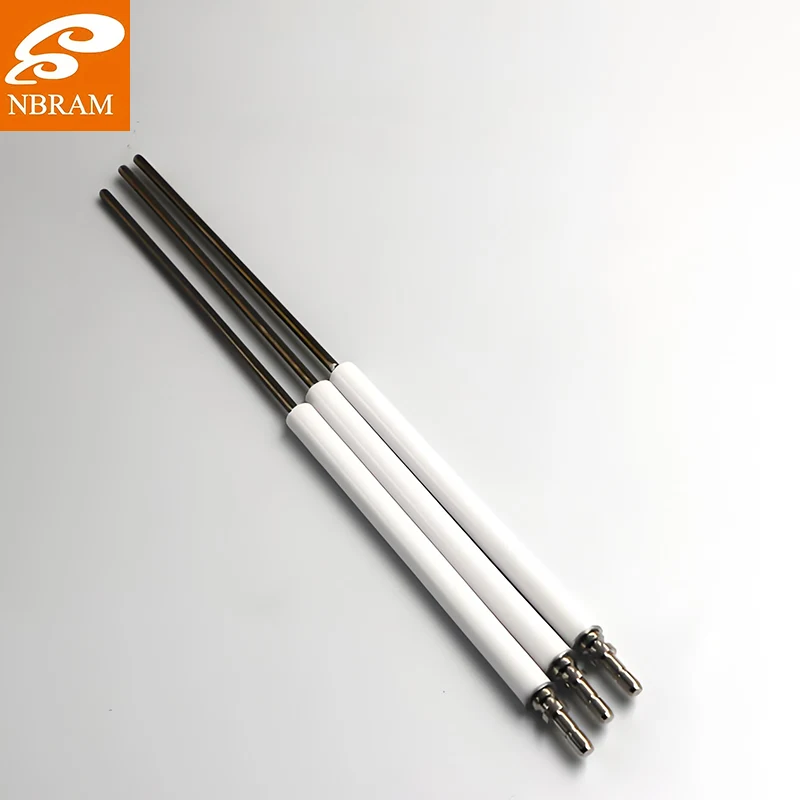
Why an alumina spark igniter electrode still holds >8 kV/mm at 1,000°C: 95% ± 0.5% alumina, pressing above 200 MPa, shaped kiln profiles, hot spark testing on every piece and destructive sampling from each batch.
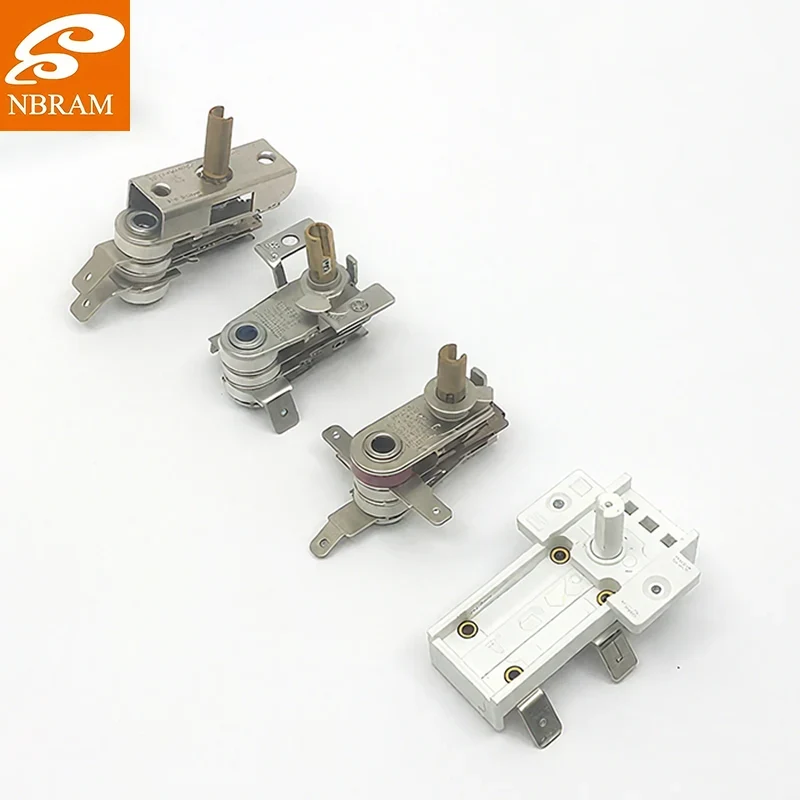
How to specify an adjustable thermostat: why -30°C to 300°C is a family span rather than one working band, what the 1°C to 5°C differential controls, and why 16A models are tested at 20A.
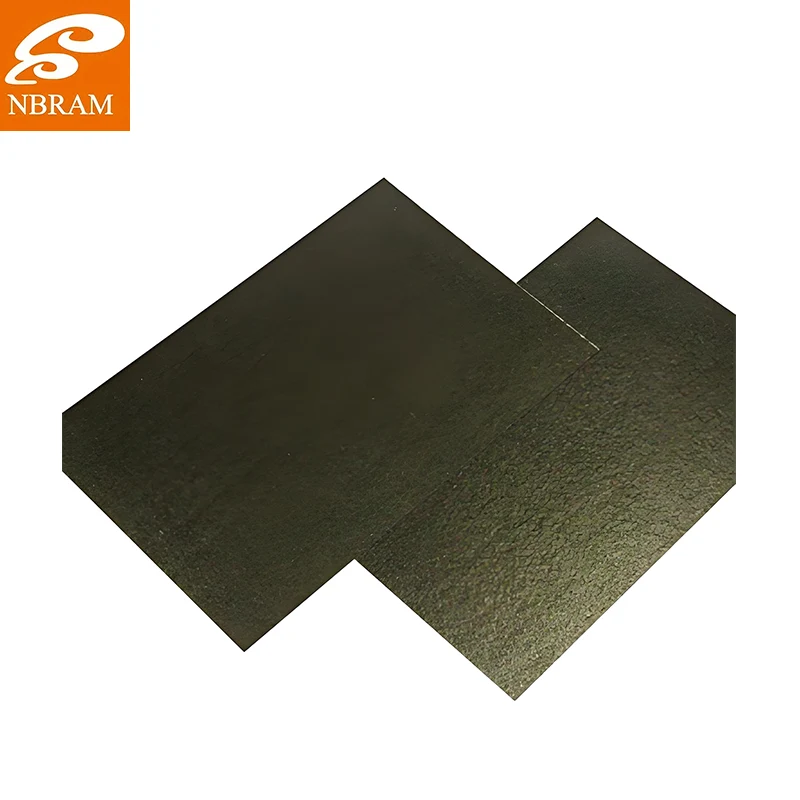
How layered phlogopite mica plate survives 900°C furnace viewing windows: 0.2-5mm thickness, >20 kV/mm dielectric strength, 20 thermal cycles per batch and cut-to-shape waterjet parts from NBRAM.